
شنیدن و نگهداشتن این اپیزود
پخش را شروع کن؛ هنگام رفتن به صفحههای دیگر هم ادامه پیدا میکند.
برای خواندن و مرور دوباره
گفتوگو را به متن همراهت تبدیل کن
متن کامل و خوانای این اپیزود در Word و PDF، همراه با نقشهٔ تصویری موضوعات.
کتابخانه و بازخورد
برای شناخت بهتر پیش از شنیدن
این اپیزود هنوز بررسی عمیق نشده است
در اپیزودهای بررسیشده، پادگرد خلاصه، محورهای گفتگو، فصلهای قابل پخش و پرسشهای مهم را از متن اپیزود استخراج میکند.
تحلیل این اپیزودتکمیل این اپیزود
اگر مهمان یا اسپانسری جا افتاده، از فهرست موجود انتخاب کن یا نام تازهای پیشنهاد بده. پیشنهادها بعد از بررسی مدیر عمومی میشوند.
متن منتشرشده توسط پادکستر
توضیحات اپیزود
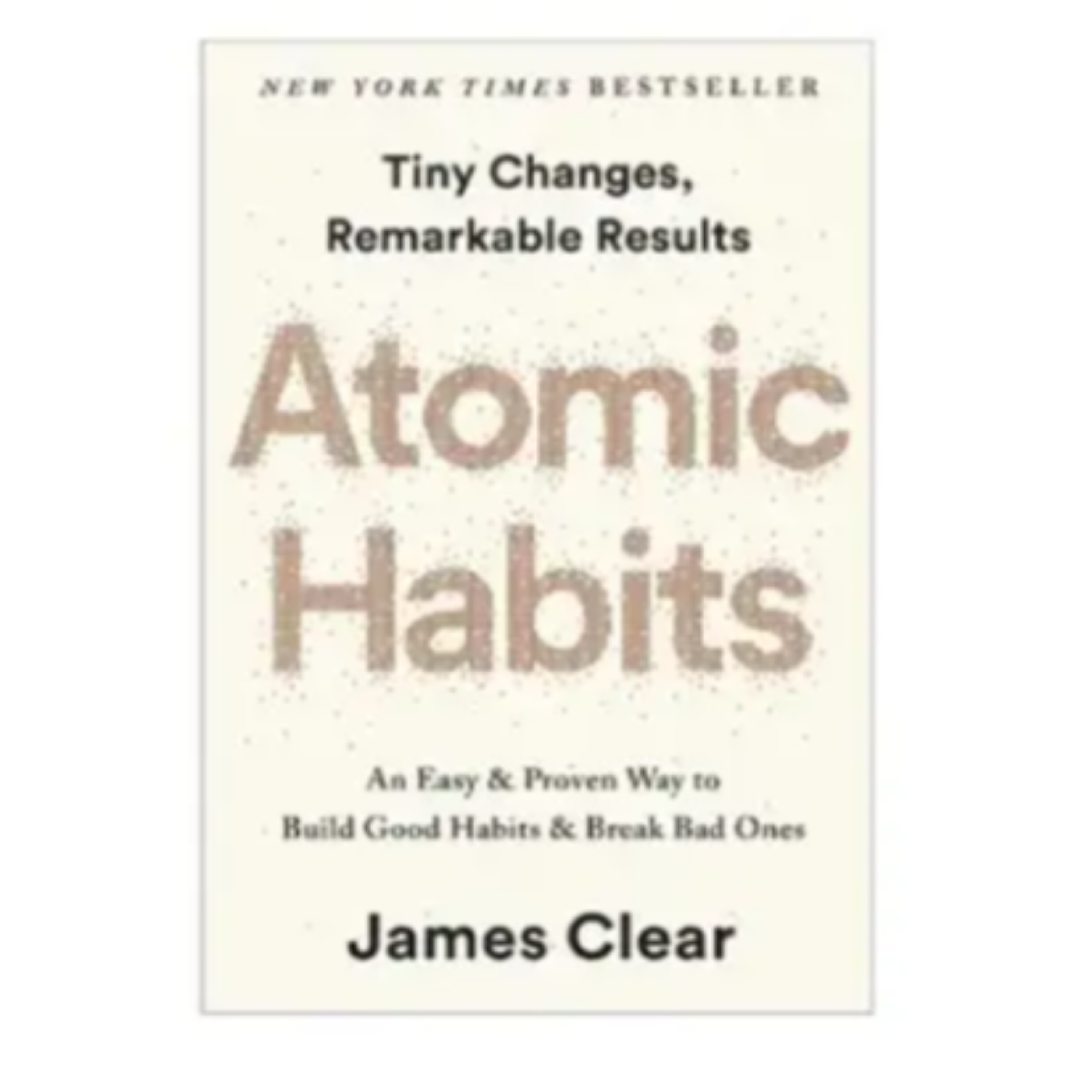
For many years, this was how I approached my habits, too. Each one was a goal to be reached. I set goals for the grades I wanted to get in school, for the weights I wanted to lift in the gym, for the profits I wanted to earn in business. I succeeded at a few, but I failed at a lot of them. Eventually, I began to realize that my results had very little to do with the goals I set and nearly everything to do with the systems I followed. What’s the difference between systems and goals? It’s a distinction I first learned from Scott Adams, the cartoonist behind the Dilbert comic. Goals are about the results you want to achieve. Systems are about the processes that lead to those results. If you’re a coach, your goal might be to win a championship. Your system is the way you recruit players, manage your assistant coaches, and conduct practice. If you’re an entrepreneur, your goal might be to build a million dollar business. Your system is how you test product ideas, hire employees, and run marketing campaigns. If you’re a musician, your goal might be to play a new piece. Your system is how often you practice, how you break down and tackle difficult measures, and your method for receiving feedback from your instructor. Now for the interesting question: If you completely ignored your goals and focused only on your system, would you still succeed? For example, if you were a basketball coach and you ignored your goal to win a championship and focused only on what your team does at practice each day, would you still get results? I think you would. The goal in any sport is to finish with the best score, but it would be ridiculous to spend the whole game staring at the scoreboard. The only way to actually win is to get better each day. In the words of three-time Super Bowl winner Bill Walsh, “The score takes care of itself.” The same is true for other areas of life. If you want better results, then forget about setting goals. Focus on your system instead. What do I mean by this? Are goals completely useless? Of course not. Goals are good for setting a direction, but systems are best for making progress. 🟢📚هایلایت صفحه هجدهم کتاب عادت های اتمی 📚🟢 ✅ approach: نزدیک شدن، رویکرد داشتن ✅ reach: رسیدن ✅ set goals: هدف گذاشتن ✅ grade: نمره، رتبه ✅ profit: سود، بهره ✅ eventually: در نهایت ✅ nearly: تقریبا 🟣Have little to do with: ربط خیلی کمی داشتن 🟣Have nothing to do with: هیچ ربطی نداشتن ✅ distinction: تفاوت ، تمایز ✅ cartoonist: نقاش، انیماتور ✅ coach: مربی ✅ championship: قهرمانی ✅ recruit: به کار گرفتن ✅ assistant: دستیار ✅ conduct: عمل کردن ✅ entrepreneur: کار آفرین ✅ hire: استخدام کردن ✅ employee: کارمند ✅ musician: نوازنده، موسیقیدان ✅ piece: قطعه ✅ break down: تفکیک کردن، تجزیه کردن ✅ tackle: حل کردن، از پس چیزی بر آمدن ✅ Measures: میزان ها ✅ feedback: بازخورد ✅ instructor: مربی، استاد ✅ ignore: نادیده گرفتن ✅ ridiculous: مسخره، مضحک ✅ scoreboard: تابلوی امتیاز ✅ winner: برنده ✅ useless: بیهوده ✅ set a direction: تعیین جهت کردن ➖➖➖➖➖➖➖➖➖➖➖➖ 🔴اگر واستون مفید یا جالب بود لطفا به دوستاتونم معرفی کنید 🥰
نظرها
هنوز نظری نوشته نشده.