
شنیدن و نگهداشتن این اپیزود
پخش را شروع کن؛ هنگام رفتن به صفحههای دیگر هم ادامه پیدا میکند.
برای خواندن و مرور دوباره
گفتوگو را به متن همراهت تبدیل کن
متن کامل و خوانای این اپیزود در Word و PDF، همراه با نقشهٔ تصویری موضوعات.
کتابخانه و بازخورد
برای شناخت بهتر پیش از شنیدن
این اپیزود هنوز بررسی عمیق نشده است
در اپیزودهای بررسیشده، پادگرد خلاصه، محورهای گفتگو، فصلهای قابل پخش و پرسشهای مهم را از متن اپیزود استخراج میکند.
تحلیل این اپیزودتکمیل این اپیزود
اگر مهمان یا اسپانسری جا افتاده، از فهرست موجود انتخاب کن یا نام تازهای پیشنهاد بده. پیشنهادها بعد از بررسی مدیر عمومی میشوند.
متن منتشرشده توسط پادکستر
توضیحات اپیزود
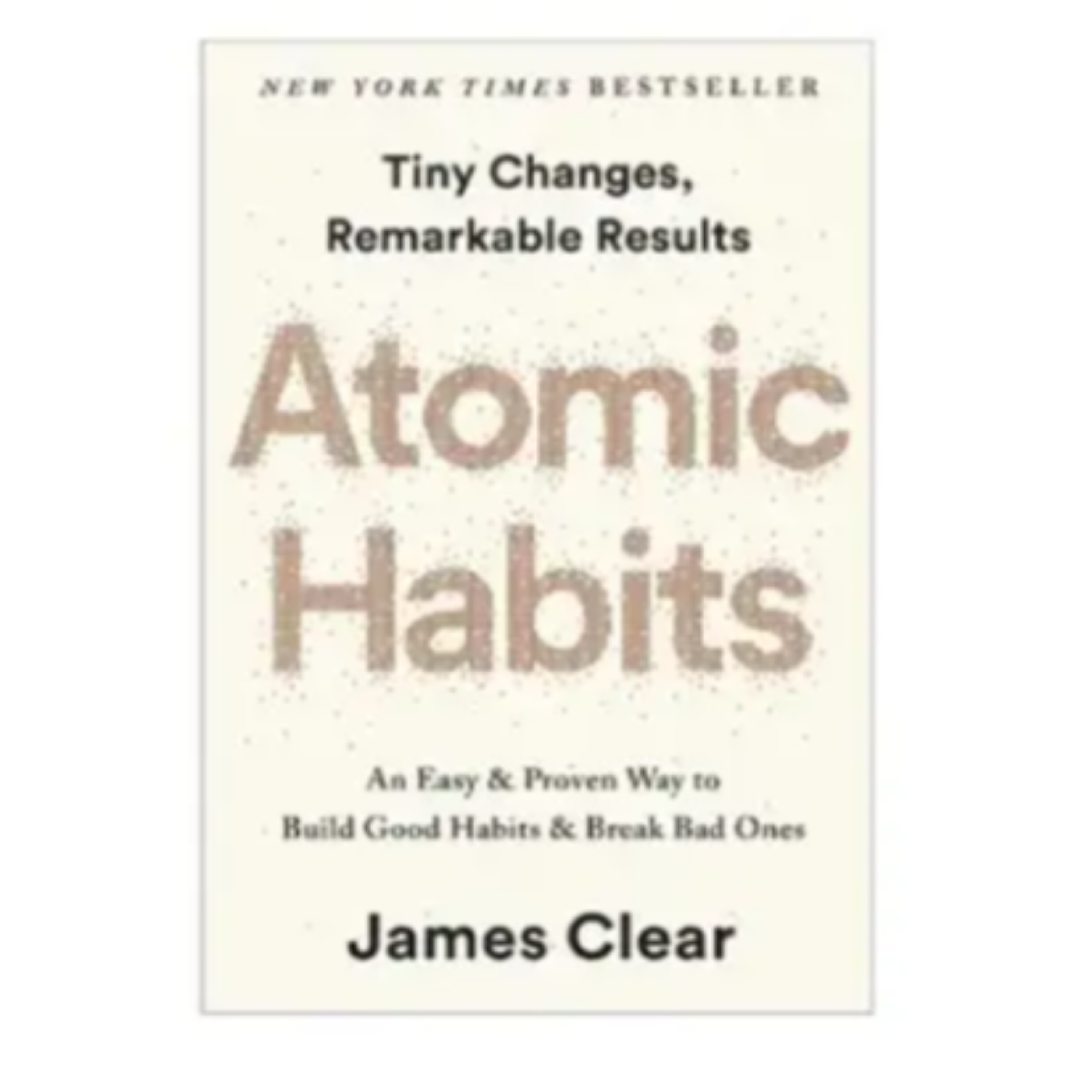
This is the feedback loop behind all human behavior: try, fail, learn, try differently. With practice, the useless movements fade away and the useful actions get reinforced. That’s a habit forming. Whenever you face a problem repeatedly, your brain begins to automate the process of solving it. Your habits are just a series of automatic solutions that solve the problems and stresses you face regularly. As behavioral scientist Jason Hreha writes, “Habits are, simply, reliable solutions to recurring problems in our environment.” As habits are created, the level of activity in the brain decreases. You learn to lock in on the cues that predict success and tune out everything else. When a similar situation arises in the future, you know exactly what to look for. There is no longer a need to analyze every angle of a situation. Your brain skips the process of trial and error and creates a mental rule: if this, then that. These cognitive scripts can be followed automatically whenever the situation is appropriate. Now, whenever you feel stressed, you get the itch to run. As soon as you walk in the door from work, you grab the video game controller. A choice that once required effort is now automatic. A habit has been created. Habits are mental shortcuts learned from experience. In a sense, a habit is just a memory of the steps you previously followed to solve a problem in the past. Whenever the conditions are right, you can draw on this memory and automatically apply the same solution. The primary reason the brain remembers the past is to better predict what will work in the future. Habit formation is incredibly useful because the conscious mind is the bottleneck of the brain. It can only pay attention to one problem at a time. As a result, your brain is always working to preserve your conscious attention for whatever task is most essential. Whenever possible, the conscious mind likes to pawn off tasks to the nonconscious mind to do automatically. This is precisely what happens when a habit is formed. Habits reduce cognitive load and free up mental capacity, so you can allocate your attention to other tasks. Despite their efficiency, some people still wonder about the benefits of habits. The argument goes like this: “Will habits make my life dull? I don’t want to pigeonhole myself into a lifestyle I don’t enjoy. 🟢📚هایلایت صفحه ۳۴ کتاب عادت های اتمی 📚🟢 ✅ human: انسانی ✅ behavior: رفتار ✅try:تلاش کردن ✅fail: شکست خوردن ✅learn: یادگرفتن ✅ differently: به طور متفاوت ✅ practice: عمل، تمرین ✅ useless:بیهوده ✅ movement: حرکت، جنبش ✅ fade away: ناپدید شدن، محو شدن ✅ whenever: هروقت، هر موقع ✅ repeatedly: بارها ✅ solve: حل کردن ✅ solution: راه حل ✅ regularly: بصورت منظم ✅ behavioral: رفتاری ✅ scientist: دانشمند ✅ reliable: قابل اطمینان ✅ recurring : مکرر ✅ environment: محیط ✅ created: ساخته شده ✅ activity: فعالیت ✅ decrease: کم شدن، کاهش یافتن ✅ Lock in : تمرکز کردن ✅ cue: علامت، نشانه ✅ tune out: ignore: نادیده گرفتن ✅ arise: به وجود آمدن ✅ exactly: دقیقا ✅ angle: زاویه ✅ mental: روانی ✅ cognitive: شناختی ✅ script: فیلنامه،نوشته ✅ automatically: به طور خودکار ✅ appropriate: مناسب ✅ get the itch to do sth : علاقه شدید به انجام کاری پیدا کردن ✅grab: گرفتن، برداشتن ✅ controller: کنترل ✅ require: نیاز داشتن، ملزم بودن ✅ effort: تلاش ✅ shortcut: میانبر ✅ experience: تجربه، سابقه ✅ previously: قبلا ✅ condition: حالت، وضعیت 🟧 Draw on: use: استفاده کردن ✅ apply: بکار گرفتن ✅ primary: اصلی ✅ predict: پیش بینی کردن ✅ incredibly: به طور باور نکردنی ✅ conscious: هوشیار ✅ bottleneck: تنگراه، باریک ✅ pay attention: توجه کردن ✅ preserve: حفظ کردن ✅ essential: ضروری،مهم ✅ pawn off: تحمیل کردن، واگذار کردن ✅ nonconscious: ناخودآگاه ✅ precisely: دقیقا ✅ reduce: کاهش ✅ free up: آزاد کردن ✅ capacity: ظرفیت، توانایی ✅ allocate: اختصاص دادن ✅ despite: علیرغم ✅ efficiency: کارایی ✅ benefits: مزایا ✅ argument: استدلال، بحث ✅ dull: کسل کننده ✅ pigeonhole: طبقه بندی، گرفتار کردن ✅ Lifestyle: سبک زندگی ➖➖➖➖➖➖➖➖➖➖➖➖ 🔴اگر واستون مفید یا جالب بود لطفا به دوستاتونم معرفی کنید 🥰
نظرها
هنوز نظری نوشته نشده.