شنیدن و نگهداشتن این اپیزود
پخش را شروع کن؛ هنگام رفتن به صفحههای دیگر هم ادامه پیدا میکند.
برای خواندن و مرور دوباره
گفتوگو را به متن همراهت تبدیل کن
متن کامل و خوانای این اپیزود در Word و PDF، همراه با نقشهٔ تصویری موضوعات.
کتابخانه و بازخورد
برای شناخت بهتر پیش از شنیدن
این اپیزود هنوز بررسی عمیق نشده است
در اپیزودهای بررسیشده، پادگرد خلاصه، محورهای گفتگو، فصلهای قابل پخش و پرسشهای مهم را از متن اپیزود استخراج میکند.
تحلیل این اپیزودتکمیل این اپیزود
اگر مهمان یا اسپانسری جا افتاده، از فهرست موجود انتخاب کن یا نام تازهای پیشنهاد بده. پیشنهادها بعد از بررسی مدیر عمومی میشوند.
متن منتشرشده توسط پادکستر
توضیحات اپیزود
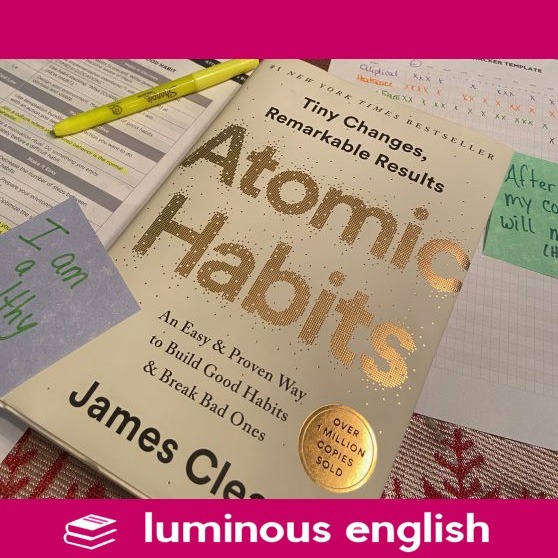
Habits are a dopamine-driven feedback loop. Every behavior that is highly habit-forming—taking drugs, eating junk food, playing video games, browsing social media—is associated with higher levels of dopamine. The same can be said for our most basic habitual behaviors like eating food, drinking water, having sex, and interacting socially. For years, scientists assumed dopamine was all about pleasure, but now we know it plays a central role in many neurological processes, including motivation, learning and memory, punishment and aversion, and voluntary movement. When it comes to habits, the key takeaway is this: dopamine is released not only when you experience pleasure, but also when you anticipate it. Gambling addicts have a dopamine spike right before they place a bet, not after they win. Cocaine addicts get a surge of dopamine when they see the powder, not after they take it. Whenever you predict that an opportunity will be rewarding, your levels of dopamine spike in anticipation. And whenever dopamine rises, so does your motivation to act. It is the anticipation of a reward—not the fulfillment of it—that gets us to take action. Interestingly, the reward system that is activated in the brain when you receive a reward is the same system that is activated when you anticipate a reward. This is one reason the anticipation of an experience can often feel better than the attainment of it. As a child, thinking about Christmas morning can be better than opening the gifts. As an adult, daydreaming about an upcoming vacation can be more enjoyable than actually being on vacation. Scientists refer to this as the difference between “wanting” and “liking.” 🟢📚هایلایت قسمت ۷۲ کتاب عادت های اتمی 📚🟢 ✅feedback loop: حاقه بازخورد ✅ behavior : رفتار ✅ drugs : مواد ✅ browsing : گشتن ✅ social media : شبکه های اجتماعی ✅ associate : ربط داشتن ✅ higher levels : سطوح بالاتر ✅ interacting : تعامل ✅ pleasure : لذت ✅ central : مهم ✅ neurological : عصبی ✅ including : شامل ✅ motivation : انگیزه ✅ punishment : تنبیه ✅ aversion : نفرت، ناسازگاری ✅ voluntary : داوطلبانه ✅ movement : حرکت ✅ takeaway : نکته مهم ✅ anticipate : پیش بینی کردن ✅ gambling : قمار ✅ Cocaine addicts : معتادان کوکایین ✅ spike: افزایش پیدا کردن ✅ opportunity : فرصت ✅ anticipation : پیش بینی ✅ rise: بالا رفتن ✅ fulfillment : برآورده سازی ✅ attainment : دستیابی ✅ gift: هدیه ✅ daydreaming : رویا پردازی ✅ upcoming : نزدیک و در آینده ✅ vacation : تعطیلات ✅ enjoyable: لذت بخش ✅ actually : واقعا ✅ wanting: خواستن ✅ liking : دوست داشتن ➖➖➖➖➖➖➖➖➖➖➖➖ 🌟اگر واستون مفید یا جالب بود لطفا به دوستاتونم معرفی کنید❣️ 🌟Instagram page: luminous__english 🌟Castbox channel: luminous english 🌟 YouTube channel: luminous_english
نظرها
هنوز نظری نوشته نشده.