
شنیدن و نگهداشتن این اپیزود
پخش را شروع کن؛ هنگام رفتن به صفحههای دیگر هم ادامه پیدا میکند.
برای خواندن و مرور دوباره
گفتوگو را به متن همراهت تبدیل کن
متن کامل و خوانای این اپیزود در Word و PDF، همراه با نقشهٔ تصویری موضوعات.
کتابخانه و بازخورد
برای شناخت بهتر پیش از شنیدن
این اپیزود هنوز بررسی عمیق نشده است
در اپیزودهای بررسیشده، پادگرد خلاصه، محورهای گفتگو، فصلهای قابل پخش و پرسشهای مهم را از متن اپیزود استخراج میکند.
تحلیل این اپیزودتکمیل این اپیزود
اگر مهمان یا اسپانسری جا افتاده، از فهرست موجود انتخاب کن یا نام تازهای پیشنهاد بده. پیشنهادها بعد از بررسی مدیر عمومی میشوند.
متن منتشرشده توسط پادکستر
توضیحات اپیزود
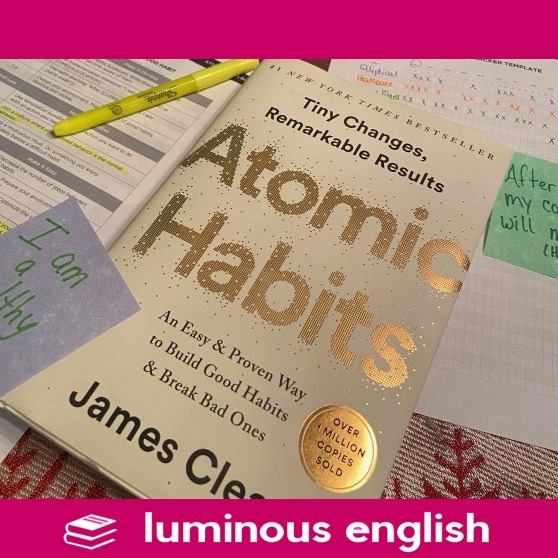
We don’t choose our earliest habits, we imitate them. We follow the script handed down by our friends and family, our church or school, our local community and society at large. Each of these cultures and groups comes with its own set of expectations and standards—when and whether to get married, how many children to have, which holidays to celebrate, how much money to spend on your child’s birthday party. In many ways, these social norms are the invisible rules that guide your behavior each day. You’re always keeping them in mind, even if they are at the not top of your mind. Often, you follow the habits of your culture without thinking, without questioning, and sometimes without remembering. As the French philosopher Michel de Montaigne wrote, “The customs and practices of life in society sweep us along.” Most of the time, going along with the group does not feel like a burden. Everyone wants to belong. If you grow up in a family that rewards you for your chess skills, playing chess will seem like a very attractive thing to do. If you work in a job where everyone wears expensive suits, then you’ll be inclined to splurge on one as well. If all of your friends are sharing an inside joke or using a new phrase, you’ll want to do it, too, so they know that you “get it.” Behaviors are attractive when they help us fit in. We imitate the habits of three groups in particular: 1. The close. 2. The many. 3. The powerful. Each group offers an opportunity to leverage the 2nd Law of Behavior Change and make our habits more attractive. 1. Imitating the Close Proximity has a powerful effect on our behavior. This is true of the physical environment, as we discussed in Chapter 6, but it is also true of the social environment. We pick up habits from the people around us. We copy the way our parents handle arguments, the way our peers flirt with one another, the way our coworkers get results. 🟢📚هایلایت قسمت ۷۸ کتاب عادت های اتمی 📚🟢 ✅ earliest habits : ابتدایی ترین عادت ها ✅ imitate: تقلید کردن ✅ script: سناریو، نوشته ✅ church : کلیسا ✅ community : جامعه ✅ society : اجتماع ✅ culture : فرهنگ ✅ expectation : توقع ✅ married : متاهل ✅ celebrate : جشن گرفتن ✅ birthday party : جشن تولد ✅ invisible : مخفی ✅ questioning :زیر سوال بردن ✅ customs: رسوم ✅ burden : سختی ✅ grow up : بزرگ شدن ✅ chess skill: مهارت شطرنج ✅ expensive suit : کت شلوار گران ✅ inclined: متمایل ✅ particular : مخصوص ✅ offer: پیشنهاد دادن ✅ opportunity : فرصت ✅ leverage : کمک به انجام کاری کردن ✅ proximity : نزدیگی ✅ powerful : قدرتمند ✅ environment : محیط ✅ pick up :برداشتن، یادگرفتن ✅ copy : کپی کردن ✅ handle arguments: مدیریت کردن مشاجره ها ➖➖➖➖➖➖➖➖➖➖➖➖ 🌟اگر واستون مفید یا جالب بود لطفا به دوستاتونم معرفی کنید❣️ 🌟Instagram page: luminous__english 🌟Castbox channel: luminous english 🌟 YouTube channel: luminous_english
نظرها
هنوز نظری نوشته نشده.