شنیدن و نگهداشتن این اپیزود
پخش را شروع کن؛ هنگام رفتن به صفحههای دیگر هم ادامه پیدا میکند.
برای خواندن و مرور دوباره
گفتوگو را به متن همراهت تبدیل کن
متن کامل و خوانای این اپیزود در Word و PDF، همراه با نقشهٔ تصویری موضوعات.
کتابخانه و بازخورد
برای شناخت بهتر پیش از شنیدن
این اپیزود هنوز بررسی عمیق نشده است
در اپیزودهای بررسیشده، پادگرد خلاصه، محورهای گفتگو، فصلهای قابل پخش و پرسشهای مهم را از متن اپیزود استخراج میکند.
تحلیل این اپیزودتکمیل این اپیزود
اگر مهمان یا اسپانسری جا افتاده، از فهرست موجود انتخاب کن یا نام تازهای پیشنهاد بده. پیشنهادها بعد از بررسی مدیر عمومی میشوند.
متن منتشرشده توسط پادکستر
توضیحات اپیزود
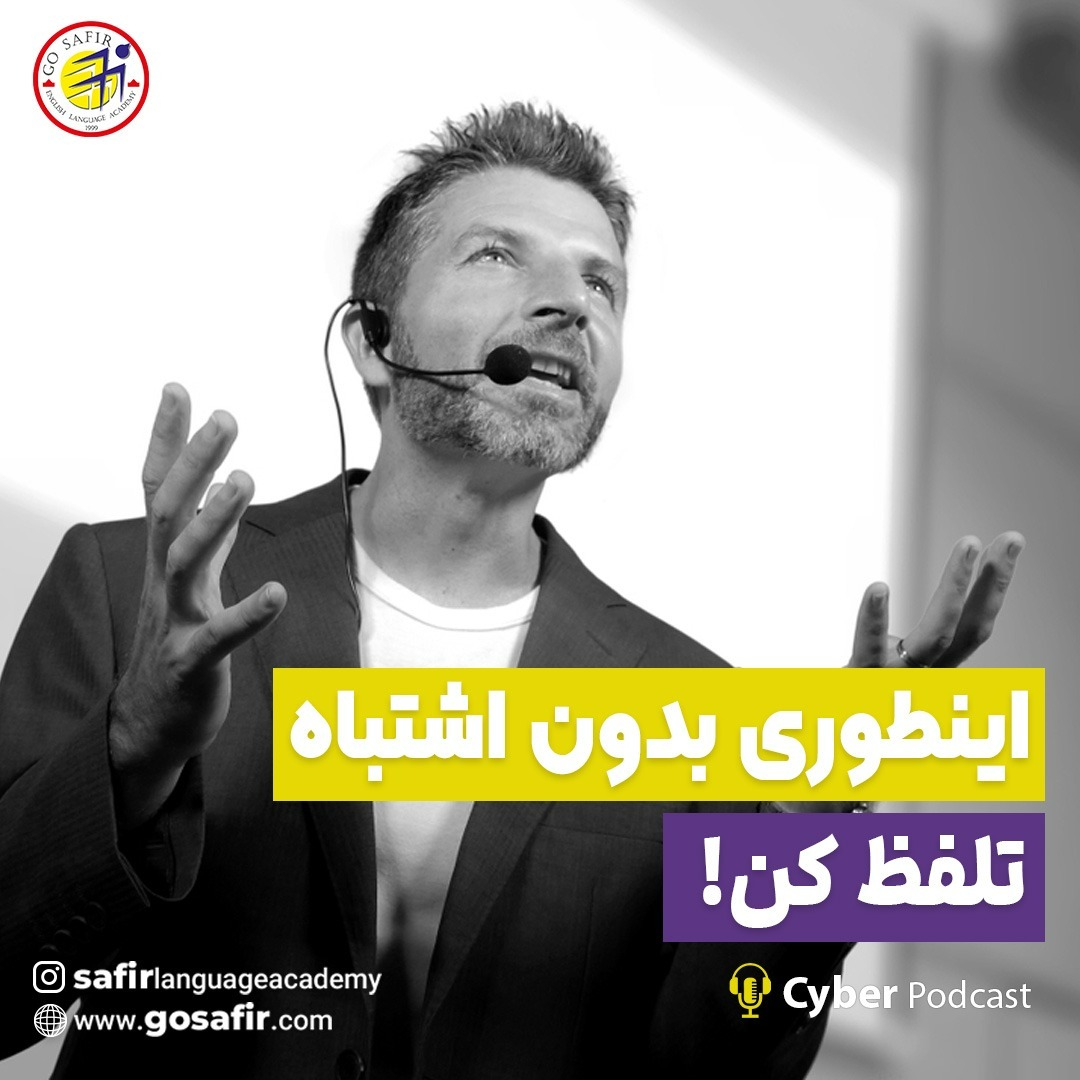
متن پادکست: You are listening to cyber podcast episode 13 – Tips to improve pronunciation [baby crying] A: Shhh....there, there! A: My son is having trouble falling asleep. He’s so cranky these days. B: Oh, poor thing. Sometimes a beer can help them fall asleep. A: A beer? Don’t you think it’s too soon or even harmful? B: Harmful? How can a teddy beer be harmful? A: Oh dear, you mean bear...a teddy bear! [they both laugh] Hello everyone and welcome to another episode of cyber podcast. Today we are talking about pronunciation but before we begin, let me ask you this: Have you ever been misunderstood because of your accent or mispronouncing a word? Ever felt embarrassed or perhaps frustrated because you had to keep repeating yourself to get yourself understood? Well, this is a very common issue many language- learners face and at times the only thing that keeps them from exercising and improving their speaking. I am Edith your host, and today I have decided to address pronunciation along with some tips to improve it. تلفظ، یکی از جنبه های خیلی مهم یادگیری زبانه و به اندازه گرامر، لغت و مهارتهای چهارگانه مهمه. خیلیا فکر میکنن اگه جمله بندیشون درست باشه، پیغام به شنونده منتقل میشه و همین کافیه در حالیکه تلفظ نامناسب یا اشتباه نه تنها باعث میشه ارتباط موثر برقرار نشه بلکه گاهی باعث سوتفاهم هم میشه. برای دوری از این مشکل اول باید بدونیم تلفظ چی هست و شامل چه جنبه هایی میشه. پس بریم با هم یکم بیشتر در موردش یاد بگیریم. So, first things first. Let’s briefly see what actually pronunciation is and what it consists of. Pronunciation "refers to the way we make speech sounds; I mean vowels and consonants. As well as creating correct sounds using the muscles of our mouth, tongue and lips, there are other important aspects of pronunciation, including: word stress, sentence stress, linking sounds or connected speech and intonation, all of which lead to a standard accent if paid enough attention to. Now, word and sentence stress refer to the part of a word or sentence which we pronounce more loudly and with more emphasis. One thing to remember about stress is that, it always falls on a vowel sound. Linking sounds or connected speech refers to when the words in a sentence are linked to one another through their first and final sounds to create a smoother flow. When words are connected, sometimes they do not sound the same as when they are pronounced individually and knowing how they change through linking can help us with our listening and speaking. Intonation on the other hand, is the rise and fall of our voice when we speak. Intonation is also very important to help us sound natural and less robot-like! پس متوجه شدیم که تلفظ فقط به نحوه ادای حروف و کلمات در زبان نیست بلکه به آهنگ کلام یا intonation و تکیه روی هجاها یا همون استرس کلمه هم بر می گرده که گاهی حتی منجر به تغییر معنی یا کاربرد کلمه هم ممکنه بشه. و یا اتصال صداهای آخر یک کلمه به ابتدای کلمه دیگه باعث connected speech میشه و این امر در listening و speaking بسیار موثره. خب، حالا دونستن این نکات چه کمکی به تلفظ و لهجه ما میکنه؟ صرف دونستنش کمک خاصی نمیکنه اما اینکه چطور تمرین میکنیم مهمترین نکته ست. حالا یه نکته جالب! با چندتا از زبان آموزامون مصاحبه کردم و متوجه شدم تقریبا همشون مهمترین قدم رو در این خصوص نمی دونن یا انجام نمیدن.... به ادامه پادکست گوش کنید تا ببینید این حلقه گمشده چیه! Now, basically just knowing about these aspects will not help us with our pronunciation, so, we need to practice to master them. So, let’s listen to the following interviews with some learners to see how they practice pronunciation and what that one thing is that everyone misses out. خب دیدیم که هرکدوم این زبان آموزا یه راهی برای تمرین تلفظ درست دارن اما همشون مثل اکثر زبان آموزای دیگه مهمترین کاری که باید بکنن رو انجام نمیدن. اون کار چیه؟ گوش دادن! You heard it right. Before you start practicing and repeating, you need to listen carefully. In other words, you need some ear training! to notice how different sounds are articulated or made. Like, say, in case of vowels, to see if they are long or short, or where the stress falls in a word. Or if the pronunciation matches the spelling or not. And about consonant sounds, to see whether they are pronounced in the same way they are in your own language. Also to pay attention to which parts of the mouth and lips or tongue are involved in producing the sound. So, listening carefully and actively is the first step to improve pronunciation. پس تا اینجا فهمیدیم که خوب گوش دادن و در واقع تمرین گوش دادن اولین قدم برای تقویت تلفظه. بریم ببینیم دیگه چه تمرینایی میتونیم انجام بدیم. I said, notice how a sound is produced. In other words, what is the place and manner of its articulation. Are your lips, your teeth, your tongue or your palate involved? For this, you may need to look at the speaker’s mouth closely and follow or copy the shape of their lips and how they produce the sound. When practicing on your own, you can even use a mirror to check your own manner of articulation and see if you do it correctly. تمرین بعدی اینه که در زمان تمرین توجه کنید به اون بخشی از زبان یا دهان یا دندانها که در تولید صدای موردنظر نقش دارند و بعد با استفاده از یک آینه چک کنید که آیا درست تقلید می کنید یا نه. این تمرین ممکنه خنده دار به نظر بیاد اما وقتی دقیق مدل لبها، وضعیت زبان و دندانها رو چک می کنید احتمال اینکه درست تلفظ کنید خیلی بیشتره. One more exercise that can help you a lot, especially outside class, is reading out loud. I don’t mean murmuring to yourself, but to read out loud. When you do so, you hear your words and can compare it with that of the speaker. Audio books are a great source for this exercise because you can use both the script and the audio to compare with your own pronunciation. تمرین بعدی که می تونید مخصوصا خارج از کلاس زبان انجام بدین اینه که با صدای بلند متنی رو بخونید. منظورم زیر لب خوندن نیست ها، منظور قشنگ با صدای بلند و با تمرکز روی تلفظ هست. وقتی این کارو میکنید صدای خودتون رو موقع خوندن میشنوید و می تونید با صدای مثلا کتاب صوتی مقایسه کنید و از درستی تلفظتون مطمئن بشید. البته یادتون باشه که اول باید خوب گوش بدید هم به خودتون و هم به صدای آدیوبوک! Another exercise that can help you is what is normally done in class but you can do it outside class as well. That is listening and repeating after the speaker. Repeating after a teacher, or the speaker in an audio has the advantage that you can ask for repetition or rewind the audio to listen to a word or sentence as many times as you need and then repeat it. And we all know that practice makes perfect. To take this a nudge up, you can record your voice when reading or repeating to listen to it again and notice areas to improve. یه تمرینی که به احتمال زیاد سرکلاس زبان هم انجام دادین، گوش دادن و تکرار کردن هست. تکرار بعد از معلم زبانتون یا بعد از صدای گوینده کتاب صوتی. کاری که خیلی خیلی میتونه بهتون کمک کنه ضبط کردن صدای خودتونه. اگه پادکست های قبلی یعنی fluency و speaking مارو گوش کرده باشین از فواید این تمرین اونجا هم گفتیم. اولش ممکنه شنیدن صدای خودتون خیلی خوشایند نباشه ولی کم کم عادی میشه و از این تمرین لذت هم می برین، مخصوصا وقتی پیشرفت خودتون رو ببینین. The next exercise is also one we mentioned in our previous podcast; tongue twisters. Do not ever underestimate the potential and the effectiveness of tongue twisters. They may sound like fun or at times even ridiculous, but they actually are really helpful in terms of improving pronunciation. راجع به tongue twisters در پادکست قبلی باز گفتیم. تاثیر گذاری tongue twisters رو هیچوقت دستکم نگیرید چون ممکنه به نظر فان و کار مسخره ای بیاد اما واقعا در تقویت تلفظ موثره. کافیه چندبار امتحانش کنید. مثلا همین الان. این جمله رو که میگم سه بار بعد از من تکرار کنین. The sun shines on shop signs. And the last exercise in our list is practicing with applications that help you learn languages, especially if they ask you to repeat words or sentences and they check to provide feedback. These applications provide instant feedback, so you can make sure you are on the right track. تمرین آخری که در این پادکست بهش اشاره می کنیم استفاده از اپلیکیشن های آموزش زبان هست که تمرین تکرار و فیدبک داره و معمولا یه جوری تلفظ رو تمرین میکنه که تا درست تکرار نکنین ولتون نمیکنه و نمیذاره به مرحله بعد برین. خوبی این اپلیکیشن ها اینه که بلافاصله بهتون بازخورد میدن و مطمئن میشید که دارید درست پیش میرید. So, let’s review together the types of exercises we discussed today: 1. Ear-training 2. Imitating the speaker using a mirror 3. Reading out loud 4. Listening, repeating and recording your voice 5. Tongue twisters 6. Practicing with applications So, you have a toolkit right there in your hand to practice pronunciation to sound great speaking English. Remember, a good accent and pronunciation can boost your confidence both in class and in an English- speaking environment, giving you the courage to speak your mind and communicate efficiently. So, what are you waiting for? You may start right now with this very podcast. در این پادکست موثرترین روشهای تمرین و تقویت تلفظ رو با هم مرور کردیم. متن و صدای همین پادکست هم میتونه منبعی برای تمرین شما باشه. پس معطل چی هستین؟ همین الان شروع کنین! Dear listeners, if you’re listening to this part, it means you’ve stayed with us throughout the podcast for which we are absolutely grateful. I hope the tips shared in this podcast will help you tackle any possible pronunciation issues you may have. Please let us know of your improvement. لطفا ما رو در جریان پیشرفت و یادگیری خودتون قرار بدین و اگه نیاز به مشاوره دارین حتما با ما تماس بگیرین. این پادکست رو به دوستان زبان دوستتون هم معرفی کنین. This podcast was brought to you by Safir Language Academy’s content development department. All the scripts can be found and downloaded on Castbox, Spotify and Shenoto. Until next week and another topic, stay safe, stay tuned, byeeee! Glossory: Frustrated: annoyance from inability to succeed in doing something Intonation: the rise and fall of one’s voice when they speak Articulate: pronounce clearly and distinctly Vowel: the sounds a/e/i/o/u Consonant: all the alphabet sounds except vowels Manner: a way in which something is done Palate: the roof of the mouth Murmur: say something softly and quietly Rewind: wind back to the beginning کلافه یا نا امید شدن آهنگ کلام تولید کردن صدا، ادا کردن حروف صدادار حروف بی صدا نحوه/روش سق دهان / کام زمزمه کردن عقب زدن، از سر تکرار کردن Nudge: a light touch or push Underestimate: estimate or consider something smaller or less than what it is Potential: having or showing the capacity to develop into something Ridiculous: absurd, laughable Toolkit: a set of tools to be used for a particular purpose Efficiently: in a well-organized and competent way with maximum productivity برخورد کردن با مشکلی یا کاری Tackle: make determined effort to deal with a problem or task
نظرها
هنوز نظری نوشته نشده.