

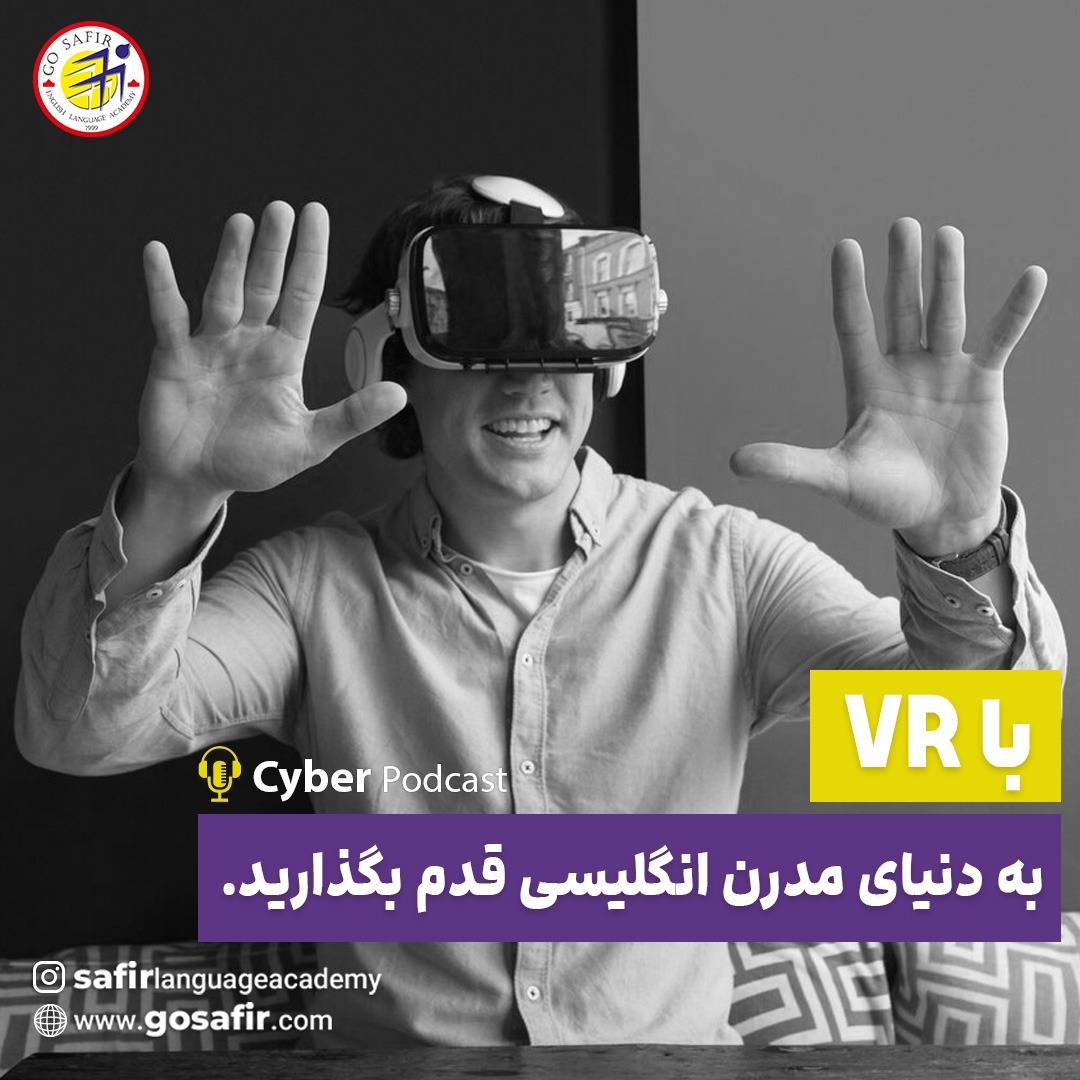
سایبر پادکست آموزشگاه زبان سفیر گفتمان
پادکست 20: با واقعیت مجازی به دنیای مدرن انگلیسی قدم بگذارید.
۲۴ مهر ۱۴۰۱ · 16 دقیقه
شنیدن و نگهداشتن این اپیزود
پخش را شروع کن؛ هنگام رفتن به صفحههای دیگر هم ادامه پیدا میکند.
برای خواندن و مرور دوباره
گفتوگو را به متن همراهت تبدیل کن
متن کامل و خوانای این اپیزود در Word و PDF، همراه با نقشهٔ تصویری موضوعات.
کتابخانه و بازخورد
برای شناخت بهتر پیش از شنیدن
این اپیزود هنوز بررسی عمیق نشده است
در اپیزودهای بررسیشده، پادگرد خلاصه، محورهای گفتگو، فصلهای قابل پخش و پرسشهای مهم را از متن اپیزود استخراج میکند.
تحلیل این اپیزودتکمیل این اپیزود
اگر مهمان یا اسپانسری جا افتاده، از فهرست موجود انتخاب کن یا نام تازهای پیشنهاد بده. پیشنهادها بعد از بررسی مدیر عمومی میشوند.
متن منتشرشده توسط پادکستر
توضیحات اپیزود
الف: ببین باورت نمیشه، دوستم که با هم کلاس زبان می رفتیم، 6 ماهه رفته چنان انگلیسی حرف میزنه که انگار نه انگار شاگرد تنبل کلاس زبانمون بود! ب: ...آره دیگه وقتی میری توی محیط اصلا یه چیز دیگه ست...سریع راه میفتی. الف: کاش ما هم می تونستیم همینجا توی 6 ماه اینجوری حرف بزنیم. ب: ولی فکر کنم به زودی امکان پذیر بشه. الف: چجوری؟ یعنی بتونیم از اینجا بریم؟ ب: نه. با استفاده از واقعیت مجازی. الف: منظورت کلاس آنالینه؟ ب: نه بابا، واقعیت مجازی....یعنی یه جوری میشه که حس میکنی توی محیطی. درست مثل دوستت اما بدون نیاز به رفتن! Did you know that learning a language, and education in general, is getting easier and easier every day? How? Through VR or virtual reality. I’m sure there have been times when you wished you could experience what you were being taught through textbooks and theories. Take for instance a boring subject like history. Don’t you think it would be much easier to remember all those dates and events if actually we lived then and there? Right! This is a common wish among students and scholars; to be able to experience firsthand what they read about. Because when you learn through experience, it becomes a part of you. You won’t ever forget it. Now, living in the 21st century has given us the privilege of at least witnessing, if not experiencing, the virtual world, where almost every impossible is made possible. We are talking about a “virtual world” today, which is becoming more real than reality we have known for ages. هم هیجان انگیزه و هم ترسناک. هیجان انگیز از این نظر که تقریبا تمام غیرممکنها رو ممکن میکنه، و ترسناک هم دقیقا به همین خاطر. صحبت راجع به واقعیت مجازیه. فارغ از اینکه اهل تکنولوژی هستین یا نه، واقعیت مجازی میتونه خیلی از فرآیندها رو تحول کنه. من ادیت هستم و امروز قصد دارم با کمک تعدادی از متخصصان این حوزه یکم راجع به واقعیت مجازی باهاتون صحبت کنم. پس با من همراه بشین چون بحثمون جالبه! Let’s begin with the basic question “What is VR?” Virtual Reality (VR) is a computer-generated environment with scenes and objects that appear to be real, and make the user feel they are immersed in their surroundings. In order to really grasp what it is and what it does we will hear what some experts say about it. For instance, in the next few minutes you will hear about how it works and why it makes the user confuse virtual with real. حتما اصطلاح واقعیت مجازی زیاد به گوشتون خورده و احتمالا تا حدودی هم باهاش سروکار داشتین. ولی واقعیت مجازی در اصل چیه؟ چطور درست شده و چرا باعث میشه واقعیت رو با غیر واقعیت اشتباه بگیریم؟ Virtual reality allows you to fully immerse yourself in a digital simulated environment using a VR headset. By blocking out the world you can lose yourself in video games or you can find a very serene place for your guided yoga. Today, VR is also increasingly used for commercial applications, it is used for training, the police and the military for example use it, you can use VR to travel the world, or even go back in time to explore ancient places, or you can digitally meet up with friends or colleagues to hang out or do some work. واقعیت مجازی در اصل یک محیط کامپیوتری با صحنه ها و اشیائی که واقعی به نظر میان و باعث میشن شما هم حس کنین توی محیط قرار دارین. Now, we all know or might have seen that the avatars or the environment created in VR do not really look all that real, but how is it that a virtual world that doesn’t look very real at all, feels so real? هممون آواتار یا محیط واقعیت مجازی رو دیدیم و می دونیم که اونقدرها هم واقعی به نظر نمی رسن. پس چرا اینقدر حس واقعی بهمون میدن؟ B: VR communicates to your brain in a different way than looking at a screen. Me: I know that when looking at a screen-like our TV or phone – our brains read this as a flat image, but in VR you’re not looking at one screen, you’re looking at two. B: and those two screens are literally right in front of your eyes. Me: hmm, projecting a slightly different image into each eye. Like when you hold your finger in front of your face and wink each eye separately, you feel your finger jumps back and forth. It’s because each eye sees thing from a slightly different point. That jump is the difference of what your left and right eye are seeing. عملکرد واقعیت مجازی مثل نگاه کردن به مانیتور نیست و باهاش فرق داره. شاید بدونین که وقتی به مانیتور یا موبایلتون نگاه میکنید مغزتون اونو به عنوان یک تصویر مسطح یا یک بعدی میشناسه ولی در وی آر چشم شما به یک صفحه نگاه نمیکنه به دو صفحه نگاه میکنه و در واقع هر دو صفحه جلوی چشماتون هستند. درست مثل زمانی که انگشتتون رو جلوی صورتتون می گیرین و هر بار با یک چشم بهش نگاه می کنید و احساس میکنید انگشتتون جاش عوض میشه به خاطر اینکه هر چشم از یک زاویه متفاوت بهش نگاه میکنه. B: The differences between what your eyes see conveys depth. It conveys 3 dimensions. You are the camera and your brain starts interpreting it as your perspective. Me: And I think other subtle effects make the virtual world feel so real. For instance, sound effects like the wind or your heartbeat speeding up as you do something dangerous. Mostly because our brain is wired to trust our vision and since the virtual environment is designed based on our real world, the brain adapts to it very quickly and thinks it’s the real world. و این تفاوت دید باعث بوجود اومدن حس عمق میشه و یک تصویر سه بعدی تولید میکنه. در واقع دوربین شما هستید و مغز شما تصویر رو به عنوان دید واقعی شما درنظر می گیره. البته افکت های ظریفی مثل صدای باد یا ضربان قلبتون که کم کم بالا میره هم باعث بوجود اومدن حس واقعی میشه. Now, let’s see what VR can do in terms of education and learning. A: We’ve always wanted as humans to transcend time and space. Well, VR lets us do that. VR will let us learn, feel, remember and process new ideas in a more experiential and deeper way. Humans were hardwired to learn by doing and VR lets us do that. Your mind and your body will feel like it was real, and it will be real. It’s gonna be a new real. Well, now, VR can transform information into knowledge. So, Edgar Dale stated that after 2 weeks the human brain remembers 10% of what it reads, 20% of what it hears and 90% of what it does or simulates. انسان همیشه خواسته فراتر از زمان و مکان حرکت کنه و وی آر این امکان رو به وجود میاره و باعث میشه مفاهیم رو عمیق تر تجربه کنه، یاد بگیره، حس کنه و به خاطر بسپاره. انسان طوری طراحی شده تا با تجربه کردن یاد بگیره و وی آر این امکان رو فراهم میکنه. ادگار دیل میگه، مغز انسان تا دو هفته 10 درصد چیزی رو که خونده به یاد میاره، 20 درصد چیزی رو که میشنوه و 90 درصد چیزی رو که انجام میده یا تقلید میکنه به خاطر داره. Me: As Confucius said almost 500 years BC: “I hear and forget, I see and remember, I do and I understand.” کنفسیوس هم میگه: چیزی رو که میشنوم فراموش میکنم، چیزی رو که میبینم به خاطر دارم و چیزی رو که انجام میدم می فهمم. Now apart from education and learning, VR has been studied and used as an alternative medical treatment. It has been studied and proved effective in conditions like autism, ADHD, phobia, stress management and so much more. عالوه بر آموزش و یادگیری وی آر در زمینه پزشکی هم بعنوان درمان جایگزین استفاده شده و حتی تاثیر مثبتش در درمان اوتیسم، بیش فعالی، درمان ترس و استرس هم ثابت شده. B: Because of its ability to tap into brain pathways, VR is also showing a lot of promise in the fields of cognitive and behavioral therapy. Research has shown that in a number of cases VR can actually be an effective alternative. The fact that VR can even be considered as a viable solution for some of these health challenges, can’t be understated. One thing is very clear: Embodiment in VR can induce a level of empathy and understanding that's more effective than any other form of communication that we have today, like a different project that you experience racism firsthand from the perspective of a black boy, as he grows up and experiences unequal treatment through no choice of his own. به خاطر تاثیری که روی مغز داره استفاده از وی آر در زمینه درمان شناختی و رفتاری هم بسیار امیدوارکننده ست و چیزی که کاملا رو شنه اینه که تجسم در واقعیت مجازی می تونه حس نوع دوستی و درک بسیار بالاتری نسبت به سایر روشهای معمول ایجاد کنه. مثال پروژه ای که به عنوان یک پسربچه سیاه پوست نژاد پرستی و رفتار ناعادلانه رو مستقیم تجربه میکنی. Me: Like what I heard somewhere, that you can treat severe burns using VR in order to reduce pain and increase the patient’s tolerance, by immersing them into a cool or snowy environment while their bandages are being changed. B: VR is actually an alternative to morphine. یه جایی شنیدم که برای درمان سوختگی های شدید و کاهش درد در زمان تعویض پانسمان، با استفاده از واقعیت مجازی بیمار رو در یک محیط سرد و برفی قرار میدن. So, to name a few, learning different skills like a language or a musical instrument, therapy and alternative treatments, relaxation and meditation, shopping, attending concerts real time, hanging out with friends from all over the world are among cases where VR is used. B: A lot of people have no idea that it’s being used for things other than games and entertainment. But what if I told you that the NFL, MBA and US Olympic ski team, all use VR to train for competition. Or that Ford, Folks wagon, BMW are using it not only to reinvent the car buying experience, but how they design cars in the first place. What if I told you that VR can actually be used to help alleviate stress and anxiety for people suffering from dementia or Alzheimer’s? But there’s this critical question. What are the downsides or drawbacks of VR? خب تا اینجا از کاربردهای بسیار خوب وی آر گفتیم مثل درمان جایگزین، آموزش و یادگیری، یادگیری زبان، خرید کردن، شرکت در کنسرت زنده و ارتباط با دوستان از سراسر دنیا و غیره. ولی سوالی که پیش میاد اینه: نقاط ضعف یا مضرات وی آر چیه؟ Honestly speaking, it might be too soon to judge since not so many people are exposed and used to utilizing VR and not a long enough time has passed since the onset of this phenomenon. However, what is evident even within this short period of time is the side effects that VR can have on us psychologically and physiologically. For instance, headache, dizziness, nausea, motion sickness and eye strain have been reported upon using VR goggles which is due to the imbalance between the signals your brain receives through your eyes and the ones received through the inner ear. In addition, we are all well aware of, or perhaps affected, by the impact of the sedentary lifestyle. Heart issues, obesity, digital fatigue so on and so forth. But, perhaps the most alarming issue would be psychological like social anxiety, isolation, lack of or decreased concentration, panic and the like. شاید برای جواب دادن به این سوال هنوز زود باشه چون خیلی هنوز ازش استفاده نشده و زمان زیادی از بوجود اومدنش نمیگذره. اما در همین مدت کوتاه مشکلات جسمی و روحی که برامون ایجاد میکنه غیرقابل انکاره. مشکلات جسمی مثل سردرد، سرگیجه، تهوع بخصوص در زمان حرکت، خستگی چشم و غیره که به دلیل به هم خوردن تعادل سیگنالهای چشم و گوش میانی بوجود میاد. علاوه بر اینها هممون از مضرات عدم تحرک آگاهیم. مشکالت قلبی، چاقی و خستگی دیجیتال و خیلی چیزای دیگه. اما شاید مهمترین و نگران کننده ترین مشکل روانشناختی باشه، مثل اضطراب اجتماعی، تنهایی، عدم یا کمبود تمرکز، پانیک و امثال اینها. So, dear listeners, what do you think? Do you think VR is to be excited about or afraid of? Do you think the advantages overweigh the disadvantages? Let us know what you think about it in the comments. حاال نظر شما چیه؟ آیا هنوز فکر می کنید که واقعیت مجازی چیزیه که براش هیجان زده بشیم یا باید ازش بترسیم؟ آیا فکر می کنید مزایاش بیشتره یا مضراتش؟ نظرتون رو در این مورد باهامون در میون بذارید. If you’re listening to this part, it means you have been with us throughout the entire podcast for which we are absolutely grateful. This podcast is brought to you by Safir Language Academy’s content development department. All the scripts can be found and downloaded on Castbox, Spotify and Shenoto. Until next week, stay safe, stay tuned, byeee. Glossary: Word or expression /Definition /Meaning in Persian 1- First hand experience / Coming from original source, learned through direct experience / تجربه شخصی و مستقیم 2-Privilege / A special right or advantage /مزیت، امتیاز 3-Computer-generated/ Made by computer /کامپیوتری 4-Immerse / Dip or submerge, involve in something deeply / غوطه ور شدن، فرو بردن 5-Grasp/understand /درک کردن، فهمیدن 6- Project (v) / Stick out, stand out / برجسته بودن 7-Convey / Make known, communicate sth / انتقال (پیام) 8- Subtle/ Fine / ظریف 9- Transcend / Go beyond, exceed / فراتر رفتن 10- To be wired / To be set up in a certain way / تنظیم یا برنامه ریزی شده 11-Experiential / Based on experience / تجربی 12- Simulate/ Imitate, copy/ 13-Alternative treatment /Treatments used instead of the traditional, mainstream therapy /طب یا درمان جایگزین 14- Tap into/ out work, Understand /درک کردن، سر در آوردن 15-Pathway/ track/ مسیر 16-Viable / feasible, Practical /کاربردی، قابل اجرا 17-Cognitive/ Relating to intellectual activity شناختی 18- Behavioral/ Relating to behavior /رفتاری 19-Embodiment /A tangible, visible form of an idea/ تجسم 20-Empathy /The ability to understand and relate to others’ feelings /یکدلی، درک 21-Downside /Disadvantage / نقطه ضعف 22-Drawback / Disadvantage / نقطه ضعف 23-Utilize/ Make use of, use /به کار بردن، استفاده کردن 24-Evident/ Obvious, apparent /معلوم، مشهود 25-Strain/ Stress, tension/ فشار 26-Sedentary /inactive, bound-Desk /ساکن، نشسته، بدون تحرک 27-Fatigue /Exhaustion, tiredness /خستگی مفرط 28-Isolation /Separation, quarantine /تنهایی 29-Onset /Beginning, the start of…/ شروع 30-Phenomenon /A remarkable event or thing /پدیده
نظرها
هنوز نظری نوشته نشده.