
سایبر پادکست آموزشگاه زبان سفیر گفتمان
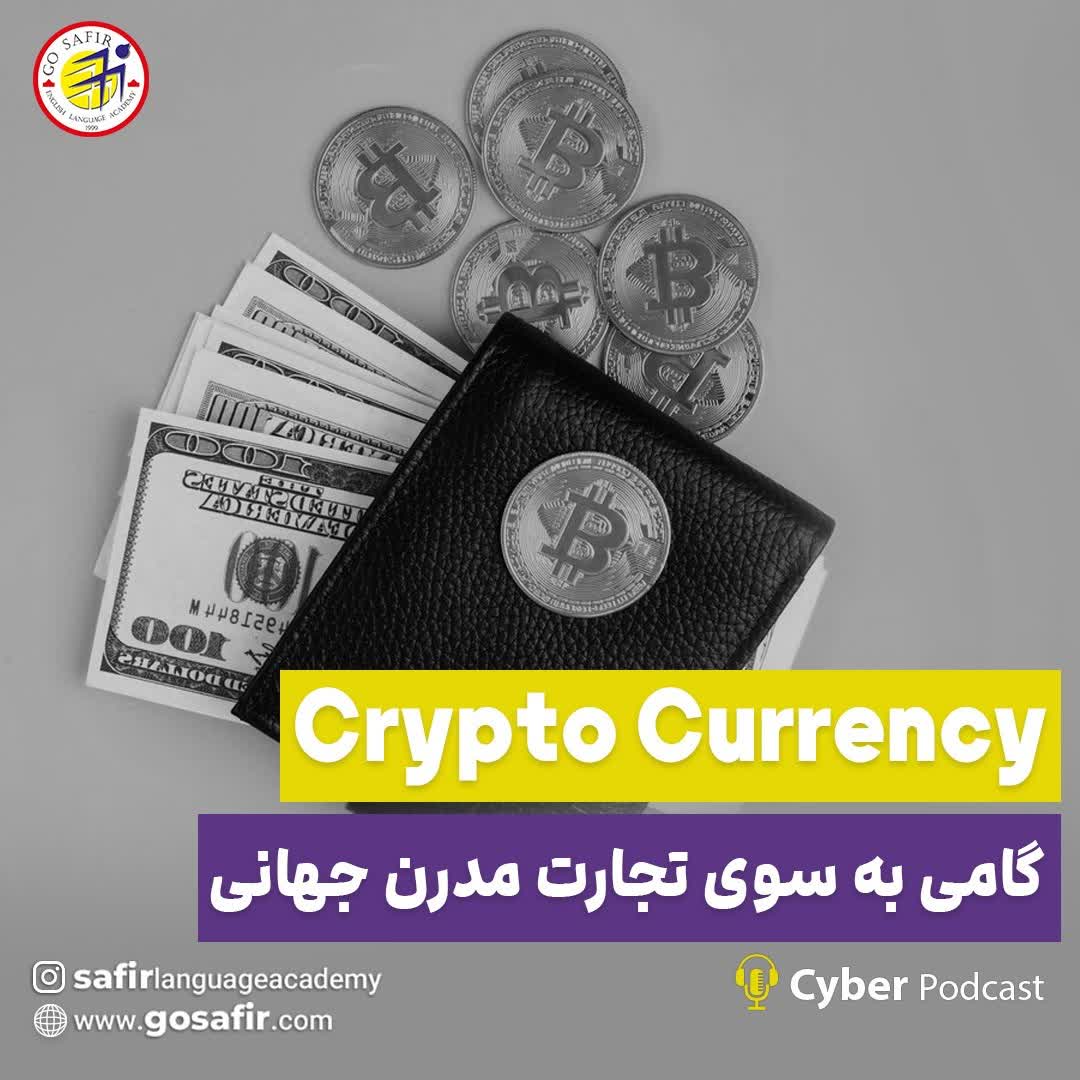
پادکست 25: ارز دیجیتال، گامی به سوی تجارت مدرن جهانی
۲۴ مهر ۱۴۰۱ · 17 دقیقه
شنیدن و نگهداشتن این اپیزود
پخش را شروع کن؛ هنگام رفتن به صفحههای دیگر هم ادامه پیدا میکند.
برای خواندن و مرور دوباره
گفتوگو را به متن همراهت تبدیل کن
متن کامل و خوانای این اپیزود در Word و PDF، همراه با نقشهٔ تصویری موضوعات.
کتابخانه و بازخورد
برای شناخت بهتر پیش از شنیدن
این اپیزود هنوز بررسی عمیق نشده است
در اپیزودهای بررسیشده، پادگرد خلاصه، محورهای گفتگو، فصلهای قابل پخش و پرسشهای مهم را از متن اپیزود استخراج میکند.
تحلیل این اپیزودتکمیل این اپیزود
اگر مهمان یا اسپانسری جا افتاده، از فهرست موجود انتخاب کن یا نام تازهای پیشنهاد بده. پیشنهادها بعد از بررسی مدیر عمومی میشوند.
متن منتشرشده توسط پادکستر
توضیحات اپیزود
You are listening to cyber podcast episode 16 – Cryptocurrency Living in the 21st century we have come across all sorts of virtual things; from virtual people including our so-called friends or mates to virtual places, things and now currencies. Right, we are talking about virtual money or virtual assets. But since it has, quite recently, been introduced, the number of people not knowing anything about it and avoiding it is way over the ones who do. But let’s not forget that those who do find themselves comfortable with cryptocurrencies, have made quite a bit of fortune as of now; at least some of them have! در دوره ای زندگی می کنیم که تقریبا همه چیز داره مجازی و دیجیتالی میشه، از دوستان مجازی تا بازی و کار و تجربه های مجازی و حالا هم ارز دیجیتال پدیده ای که زمان زیادی از معرفیش نمیگذره و در همین مدت کوتاه خیلیها یا بهتره بگیم بعضیها رو به ثروتهای کالن رسونده و این در حالیه که بعضیها هنوز چیزی راجع بهش نمی دونن و حتی نمیخوان بدونن! به هر حال صحبت پول و ثروته که شوخی بردار هم نیست! در این پادکست قراره ببینیم متخصصین این حوزه چطور این مقوله رو برامون توضیح میدن. I’m Edith; your host, and in order to see what all this craze is about, let’s get some of the most basic questions about this phenomenon answered by some of the experts of the field so this aspect of the socalled virtual world will also click! E: So, first things first, what is cryptocurrency? B: Here’s how I answer that question. Put simply, cryptocurrencies are like regular currencies except they’re entirely digital. E: Um…Ok, I guess I will need a bit more explanation. What bank is it linked to or controlled by and how do people earn or use it? B: Each individual cryptocurrency coin is fundamentally just a collection of numbers and letters. This sounds complicated, but it’s actually not far off from what we see with currencies today. Almost every physical money bill on the planet has a unique serial number, this serial number corresponds to information like when the bill was printed, where it was printed and so on. In theory, a record of all money bills that have ever been printed and where they are, is kept by a central bank which shares this information with smaller banks and the government. If you have a debit card or credit card, you’ll know that you have an account number on there as well you also have a password or pin number that you use to access the money in that account. Your bank branch knows your account number and your name because you had to provide your personal information to open an account. This info is also shared with the central bank and government. This is almost exactly how cryptocurrencies work. each individual cryptocurrency coin is like the serial number you see on a physical bill just without the physical bill. پس تا اینجا متوجه شدیم همونطور که هر اسکناس یه شماره سریال داره که با اطلاعات همون اسکناس در بانک همخونی داره، و حساب بانکی شما هم با اطلاعات فردی که به بانک میدید هماهنگه، ارز دیجیتال هم مجموعه ای از اعداد و ارقام دیجیتالی هست که اطلاعات تراکنشهای شما رو در فضای مجازی ثبت میکنه. هر یک ارز دیجیتال یا coin cryptocurrency مثل همون شماره سریال روی اسکناس هست با این تفاوت که دیگه اسکناسی در دنیای واقعی وجود نداره! قبل از اینکه به ادامه بحث بپردازیم، بیاید با هم چندتا اصطلاح و لغت مربوط به سیستم بانکی رو با هم مرور کنیم. اول از همه یادمون باشه که اسکناس در انگلیسی میشه bill که بهش note یا banknote هم گفته میشه که مطابق با currency یا واحد پول هر کشور میتونه متفاوت باشه. معمولا از طریق حساب بانکی میتونیم کارت اعتباری دریافت کنیم تا تراکنشهامون رو انجام بدیم. حساب بانکی در انگلیسی bank account هست. به تلفظ صدای a در کلمه account توجه کنید. تراکنشها یا transactions از طریق بانک انجام میشن تا از دارایی یا asset مون محافظت بشه. دارایی در انگلیسی میشه asset .این کار از طریق ثبت اطلاعات کلیه تراکنشها در دفتر کل انجام میشه که در انگلیسی بهش ledger گفته میشه و این نوع محافظت هم در انگلیسی میشه custody .جالبه بدونید custody معانی دیگه ای هم داره که با این مفهوم خیلی متفاوتن. ببینید میتونید پیداش کنید. خب، به ادامه پادکست گوش کنید و به نحوه استفاده این کلمات دقت کنید. E: But as far as I know, there is no personal information or identification when dealing with cryptocurrencies. I mean you don’t have to provide your personal information like when you do when you open a bank account, for example. B: You don't need to provide any personal information to create a cryptocurrency wallet; this means that your identity is not attached to your crypto wallet like a bank account is. Most importantly, any cryptocurrency held in your personal wallet is held directly by you not custodied by a bank like regular money in a bank account. This means that nobody can shut down your cryptocurrency wallet or block your transactions because you have total control over that account at all times. یه نکته جالبی که اینجا گفته شد این هست که مثل بانکداری در دنیای واقعی در سیستم پولی cryptocurrency نیازی به ارائه اطلاعات شخصی شما برای به اصطلاح کیف پول که یا همون حساب بانکیتون نیست و مهمتر این که هر ارز دیجیتالی که شما دارید صرفا در اختیار خودتونه، نه بانک یا یه سازمان مرکزی دیگه ای و کسی نمی تونه اون حساب یا کیف پولتون رو بالک کنه چون در هر شرایطی اختیار تام روش دارین. E: So, who’s in control of this currency? I mean, with the traditional currencies, it’s usually a central bank or authority? What about crypto? Is it safe at all? B: Well, this is usually my response to these sorts of questions and comments. Whether a cryptocurrency is safe or not, it depends on the context. Instead of banks and the government keeping track of everyone's bills and bank account balances these records are stored across all the computers connected to a cryptocurrency network. These transactions and account balances are public and can be viewed by anyone using something called a blockchain explorer. E: Uh huh…in other words, there is no central authority in charge. Am I right? شایدمثل خود من بپرسید خب اگه کسی کنترلی روی این ارز دیجیتال نداره، پس امنیتش چطوره؟ اصلا امنیت داره؟ در این سیستم، بجای یه بانک مرکزی یا دولت، کلیه اطلاعات حسابها و ارزها در یک شبکه جهانی کامپیوتری ذخیره میشه و کلیه تراکنشها با استفاده از سیستمی به نام بالک چین توسط همه ی اعضای شبکه قابل رویت و کنترله. C: It's decentralized which means that while every transaction of a given cryptocurrency is all recorded on the same ledger there are many, many copies of that ledger and anyone who is a part of the network has one. So, the result of this is that if I go into a store and spend five bitcoins on something then instead of just checking with one bank's records the shop instead checks with every single computer on this network if I have enough and assuming I do each computer will give the go-ahead. این سیستم غیر متمرکزه یعنی همه تراکنشهای یه کریپتو در یک سیستم کامپیوتری شبیه به دفتر کل ثبت میشه ولی کپی های بسیاز زیادی از همون تراکنش برای دیدن سایر اعضای شبکه وجود داره. بنابراین، اگه از یه فروشگاه خرید کنید و مثال بخواید 5 بیت کوین خرج کنید اون فروشگاه بجای چک کردن با بانکی که شما در اون حساب دارید با تمامی کامپیوترهای شبکه کریپتو چک میکنه تا ببینه موجودی دارید یا نه و در اون صورت همه کامپیوترهای اون شبکه تایید میکنند تا خرید انجام بشه. به نظر میاد امنیت بسیار باالیی داره، اینطور نیست؟ E: So, let me see if I understand it right; instead of one center or authority confirming you have a certain amount of money to purchase something, every single computer in the crypto network testifies that you do. That sounds very safe and secure, doesn’t it? B: This makes cryptocurrency networks secure because there is no single point of failure. This is called decentralization. It's the polar opposite of the centralized setups of governments and banks. C: Because you end up having this many copies of exactly the same ledger it becomes very easy to tell if anyone's trying anything fishy! E: Hmmm…. nice! Very high level of security. در واقع معنی اصلی غیرمتمرکز اینجا مشخص میشه. یعنی یک نقطه واحد یا مشخصی برای تراکنشهای ناموفق وجود نداره. درست نقطه مخالف سیستم سنتی بانکداری که تحت پوشش دولت یا بانک مرکزیه. C: This whole idea of a million different users all having their own copy of the blockchain ledger then if I wanted to fraudulently create a transaction that say paid me money I’d have to not just tamper with a block and every single block after it but I’d also have to do this on at least half a million computers around the world so that the majority of computers in the system are also consistent with the one I’ve tampered with. B: This is impossible thing to do if you have a cryptocurrency network, like bitcoin, that has millions of computers spread around the world. نکته جالبش میدونین چیه؟ اگه کسی بخواهد یه تراکنش جعلی درست کنه که مثال یه مبلغی براش واریز بشه، اون شخص مجبوره نه تنها تمام کامپیوترهای شبکه بالک چین رو دستکاری کنه بلکه با حداقل نیم میلیون کامپیوتر در سراسر جهان هم همین کارو بکنه تا حداقل نیمی از اعضای این سیستم شهادت بدن که اون تراکنش مثال جعلی نیست، که خب، تقریبا غیر ممکنه. Now, what about block chain? What is block chain? This is another thing I hear a lot when it comes to crypto. C: Now, people often get confused by this. Blockchain is not bitcoin, blockchain is not a currency itself, blockchain is just a secure type of ledger, so you know, that big spreadsheet that everyone has that's recording transactions, blockchain is just a way of organizing it. کلمه دیگه ای که در دنیای کریپتو زیاد بهش بر می خورید بالک چین هست. بالک چین یه نوع ارز یا بیت کوین نیست. بالک چین در واقع نرم افزار یا سیستمی هست مثل دفتر کل یا صفحه گسترده هایی که اطلاعات هر تراکنش رو ثبت میکنه، بالک چین یه روش مرتب کردن همه این اطلاعات هست. E: Hmm…it’s like I’m getting the hang of things little by little! In the traditional system of currency, there are different currencies, like the Dollar, Pound, Rial and so on. How many currencies are there? Is it just bitcoin? C: Bitcoin is just one of over 4,000 different cryptos already and each of them have different properties for example Ethereum which is the second most invested in can process transactions even faster than bitcoin there's one called Cardano which is considered to be technologically superior. B: The crazy thing is that every cryptocurrency is different and not all of them are designed to be a currency you will actually use for everyday transactions. E: Oh wow! I didn’t know there were so many. Now, are there any downsides to crypto? Why is it that so many people, including myself, still can’t trust it? C: The dark side, one of the main ones is exactly this the reason I think a lot of people don't take crypto seriously is its volatility. Because these currencies are so new and they're completely digital unlike say the market for gold, no one really knows what they should be worth and so you find that crypto prices are quite heavily speculative. B: Now the reason why the value of BTC, Eth and every other cryptocurrency fluctuates so much each day is because basically nobody knows what these technologies are actually worth. C: Two is the fact that they're not really accepted as a form of payment in well most places. Three, there can be an environmental concern. See the whole reason why a lot of these cryptos are so secure is because of this concept of transactions being verified many many times by many many computers, that much computing power requires a lot of electricity. یکی از نقاط ضعف این سیستم نوسانات اون هست. چون این نوع ارز جدیده و کاملا هم دیجیتال هست، برعکس مثال بازار طلا کسی نمی تونه بگه دقیقا ارزششون چقدره و در واقع ارزش کریپتو خیلی تخمینیه. نکته دوم، در اکثر جاها به عنوان یه ارز رسمی شناخته نمیشن و نمیشه زیاد باهاشون خرید و فروش انجام داد. و نکته سوم، نگرانه های زیست محیطیه. دلیل اصلیه اینکه کریپتو به شدت ایمن هست اینه که تراکنشهای انجام شده در این سیستم بارها و بارها توسط شبکه کامپیوتریش باید راستی آزمایی و تایید بشه که این خودش یه بار بسیار سنگینی روی نیروی برق تحمیل میکنه. البته اگه تمام بانکهای کل دنیا رو هم در نظر بگیریم و تعداد تراکنشها و کاغذبازی هایی که شامل میشن رو ببینیم، فرق آنچنانی با کریپتو ندارن و خیلیهام امیدوارن که یه روزی به زودی بتونیم انواع دیگه انرژی تجدیدپذیر رو بکار ببریم. E: But considering all the banks around the world and the number of transactions and the paperwork they do, traditional banking uses more electricity, I guess, which I think one day we'll be able to get from renewable sources… C: Well, depends who you ask, and four there's also a pretty strong sentiment that because there's no real policing or regulation on crypto right now it's like the perfect currency for criminals. E: But I think chances of your bank account being hacked is way higher than a criminal being able to hack half a million computers to do the unwanted! C: To be honest I think the data speaks for itself on that one. According to chain analysis 0.34 percent of crypto transactions are criminal up to 5 of normal cash transactions are criminal. So, cash is just a better currency for most types of criminal activity because by its very nature; it's untraceable. البته یه جور موضع گیری هم نسبت به کریپتو وجود داره که خیلیها فکر میکنن چون هیچگونه نظارت یا کنترلی روش نیست، ارز ایده آلی برای خلافکاراست که آمار و ارقام نشون میدن که فقط 34 صدم درصد از کریپتوها جعلی هستند در حالی که این رقم در تراکنشهای معمولی به 5 درصد میرسه که ثابت میکنه پول نقد یا سنتی ارز بهتری برای انواع فعالیتهای خالف و غیرقانونی هست چون ذاتا یه مقوله غیرقابل ردیابی هست. و در نهایت، سوال آخر، آینده کریپتو رو چطور می بینید؟ E: Now, how do you see the future of cryptocurrency? B: In the longer term, you can see that crypto is growing and that growth is unlikely to stop anytime soon! نظر شما چیه؟ آیا شما هم فکر می کنید یه روزی دیگه کسی به بانک نمیره و اسکناس و چک استفاده نمی کنده؟ آیا روزی میشه که فقط ارز دیجیتال رایج باشه؟ نظراتتون رو توی کامنت برامون بنویسین و اگه تجربه ای در این زمینه دارین باهامون به اشتراک بذارین. This podcast was brought to you by Safir language academy’s content development department. Thank you so very much for tuning in today and staying with us through out this episode. All the scripts can be found on Castbox, Spotify and Shenoto. Until next week and another topic, stay safe, stay tuned, bye! Glossory: Word or expression /Definition /معنی 1- Asset /A useful or valuable thing /دارایی 2-fortune / A large amount of money or assets /پول و ثروت کلان 3- Click (verb) /To suddenly understand /فهمیدن 4-Correspond to/ Match / ارتباط داشتن، مربوط بودن 5- Custody (v) / Protect, take care of /محافظت کردن 6- Transaction /A (business) deal/ تراکنش 7- Ledger/ A book or other collection of financial accounts / دفتر کل-مالی 8- Spreadsheet / An electronic document consisting of tables for calculation / صفحه گسترده در حسابداری 9- Give the go-ahead/ Give permission to do something/ دادن اجازه یا مجوز 10- Decentralized /Controlled personally or locally instead of a center /غیر متمرکز 11-Tamper with/ To change or touch something in order to cause damage /دستکاری کردن 12- Get the hang of something / Understand or comprehend / فهمیدن، مفهوم درک نقطه ضعف، معایب 13- Downside /drawback, Disadvantage Dark side Dark side, disadvantage, drawback /معایب،نقطه ضعف 14- Volatility /Tendency to change unpredictably /تغییر، نوسان 15- Speculative/ Involving a high risk of loss /تخمینی 16- Renewable sources (of energy) / Sources that replenish themselves naturally /تجدیدپذیر 17- Sentiment / Attitude or idea about an event/ احساسات، موضع گیری 18- Untraceable /Unable to be found or discovered/غیرقابل ردیابی
نظرها
هنوز نظری نوشته نشده.