
شنیدن و نگهداشتن این اپیزود
پخش را شروع کن؛ هنگام رفتن به صفحههای دیگر هم ادامه پیدا میکند.
برای خواندن و مرور دوباره
گفتوگو را به متن همراهت تبدیل کن
متن کامل و خوانای این اپیزود در Word و PDF، همراه با نقشهٔ تصویری موضوعات.
کتابخانه و بازخورد
برای شناخت بهتر پیش از شنیدن
این اپیزود هنوز بررسی عمیق نشده است
در اپیزودهای بررسیشده، پادگرد خلاصه، محورهای گفتگو، فصلهای قابل پخش و پرسشهای مهم را از متن اپیزود استخراج میکند.
تحلیل این اپیزودتکمیل این اپیزود
اگر مهمان یا اسپانسری جا افتاده، از فهرست موجود انتخاب کن یا نام تازهای پیشنهاد بده. پیشنهادها بعد از بررسی مدیر عمومی میشوند.
متن منتشرشده توسط پادکستر
توضیحات اپیزود
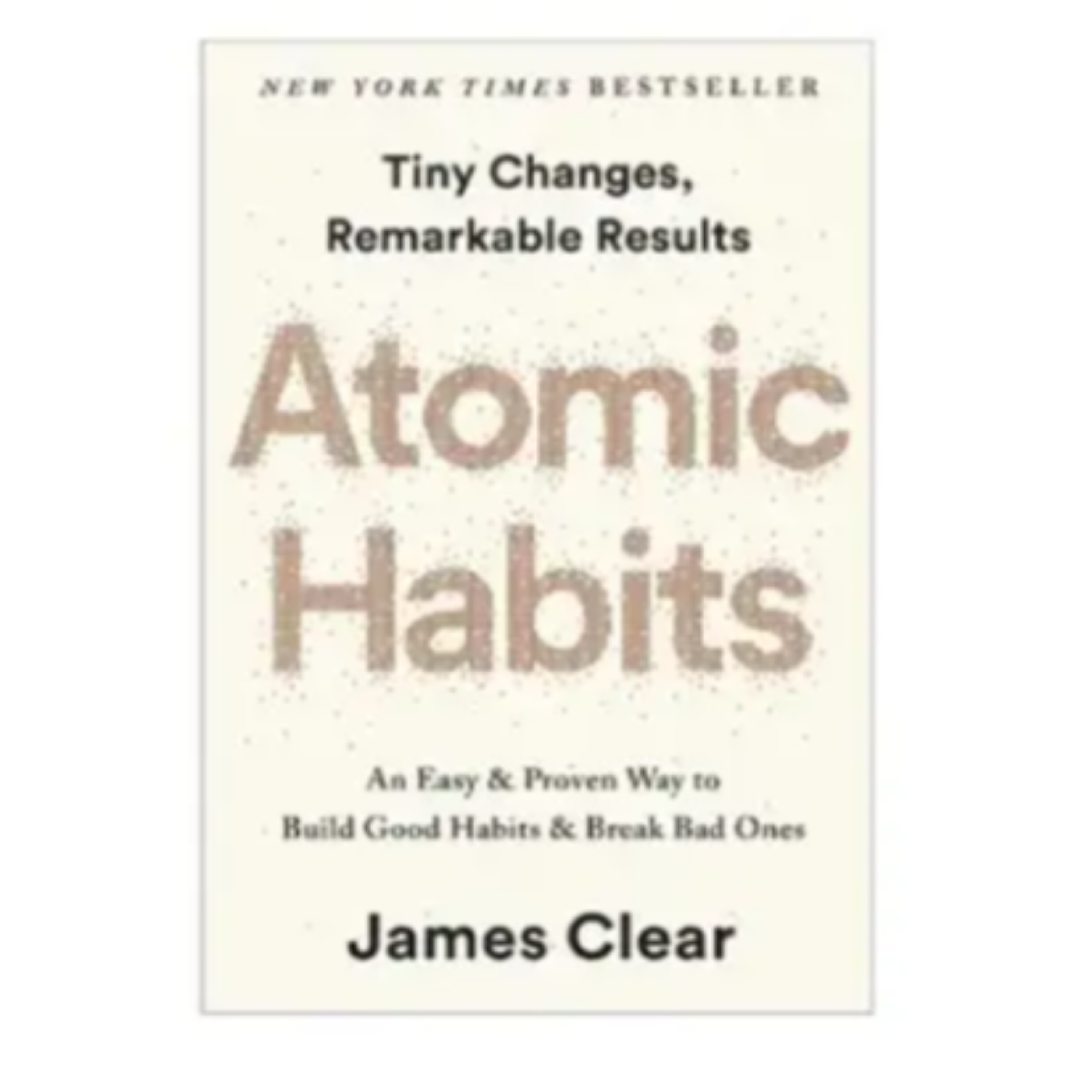
HOW TO STAY FOCUSED WHEN YOU GET BORED WORKING ON YOUR GOALS After my baseball career ended, I was looking for a new sport. I joined a weightlifting team and one day an elite coach visited our gym. He had worked with thousands of athletes during his long career, including a few Olympians. I introduced myself and we began talking about the process of improvement. “What’s the difference between the best athletes and everyone else?” I asked. “What do the really successful people do that most don’t?” He mentioned the factors you might expect: genetics, luck, talent. But then he said something I wasn’t expecting: “At some point it comes down to who can handle the boredom of training every day, doing the same lifts over and over and over.” His answer surprised me because it’s a different way of thinking about work ethic. People talk about getting “amped up” to work on their goals. Whether it’s business or sports or art, you hear people say things like, “It all comes down to passion.” Or, “You have to really want it.” As a result, many of us get depressed when we lose focus or motivation because we think that successful people have some bottomless reserve of passion. But this coach was saying that really successful people feel the same lack of motivation as everyone else. The difference is that they still find a way to show up despite the feelings of boredom. Mastery requires practice. But the more you practice something, the more boring and routine it becomes. Once the beginner gains have been made and we learn what to expect, our interest starts to fade. Sometimes it happens even faster than that. All you have to do is hit the gym a few days in a row or publish a couple of blog posts on time and letting one day slip doesn’t feel like much. Things are going well. It’s easy to rationalize taking a day off because you’re in a good place. The greatest threat to success is not failure but boredom. We get bored with habits because they stop delighting us. The outcome becomes expected. And as our habits become ordinary, we start derailing our progress to seek novelty. Perhaps this is why we get caught up in a never-ending cycle, jumping from one workout to the next, one diet to the next, one business idea to the next. As soon as we experience the slightest dip in motivation, we begin seeking a new strategy—even if the old one was still working. As Machiavelli noted, “Men desire novelty to such an extent that those who are doing well wish for a change as much as those who are doing badly.”
نظرها
هنوز نظری نوشته نشده.