شنیدن و نگهداشتن این اپیزود
پخش را شروع کن؛ هنگام رفتن به صفحههای دیگر هم ادامه پیدا میکند.
برای خواندن و مرور دوباره
گفتوگو را به متن همراهت تبدیل کن
متن کامل و خوانای این اپیزود در Word و PDF، همراه با نقشهٔ تصویری موضوعات.
کتابخانه و بازخورد
برای شناخت بهتر پیش از شنیدن
این اپیزود هنوز بررسی عمیق نشده است
در اپیزودهای بررسیشده، پادگرد خلاصه، محورهای گفتگو، فصلهای قابل پخش و پرسشهای مهم را از متن اپیزود استخراج میکند.
تحلیل این اپیزودتکمیل این اپیزود
اگر مهمان یا اسپانسری جا افتاده، از فهرست موجود انتخاب کن یا نام تازهای پیشنهاد بده. پیشنهادها بعد از بررسی مدیر عمومی میشوند.
متن منتشرشده توسط پادکستر
توضیحات اپیزود
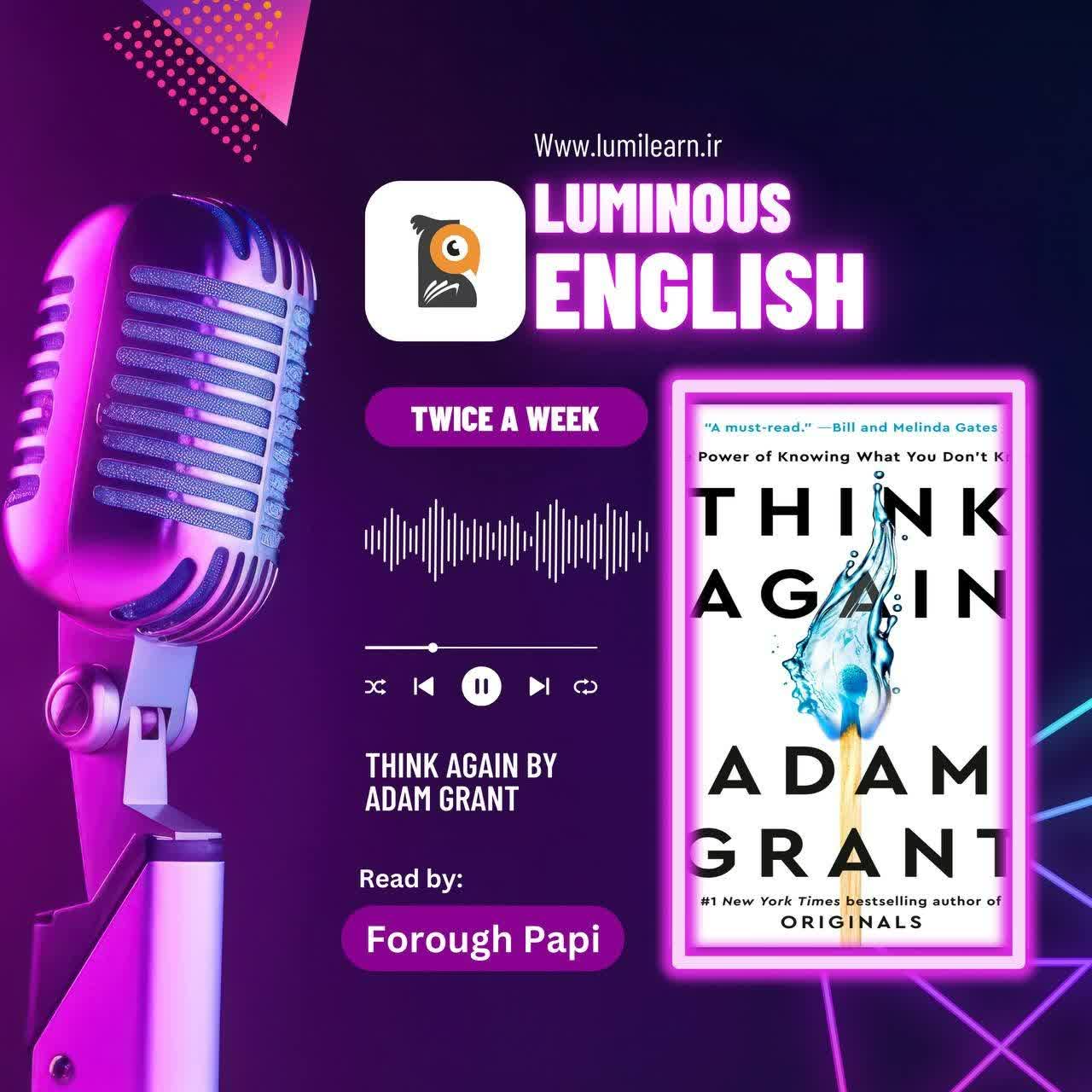
Even if forecasting isn’t your hobby, there’s a lot to be learned from studying how forecasters like Jean-Pierre form their opinions. My colleague Phil Tetlock finds that forecasting skill is less a matter of what we know than of how we think. When he and his collaborators studied a host of factors that predict excellence in forecasting, grit and ambition didn’t rise to the top. Neither did intelligence, which came in second. There was another factor that had roughly triple the predictive power of brainpower. The single most important driver of forecasters’ success was how often they updated their beliefs. The best forecasters went through more rethinking cycles. They had the confident humility to doubt their judgments and the curiosity to discover new information that led them to revise their predictions. A key question here is how much rethinking is necessary. Although the sweet spot will always vary from one person and situation to the next, the averages can give us a clue. A few years into their tournaments, typical competitors updated their predictions about twice per question. The superforecasters updated their predictions more than four times per question. Think about how manageable that is. Better judgment doesn’t necessarily require hundreds or even dozens of updates. Just a few more efforts at rethinking can move the needle. It’s also worth noting, though, how unusual that level of rethinking is. How many of us can even remember the last time we admitted being wrong and revised our opinions accordingly? As journalist Kathryn Schulz observes, “Although small amounts of evidence are sufficient to make us draw conclusions, they are seldom sufficient to make us revise them.” That’s where the best forecasters excelled: they were eager to think again. They saw their opinions more as hunches than as truths —as possibilities to entertain rather than facts to embrace. They questioned ideas before accepting them, and they were willing to keep questioning them even after accepting them. They were constantly seeking new information and better evidence—especially disconfirming evidence. On Seinfeld, George Costanza famously said, “It’s not a lie if you believe it.” I might add that it doesn’t become the truth just because you believe it. It’s a sign of wisdom to avoid believing every thought that enters your mind. It’s a mark of emotional intelligence to avoid internalizing every feeling that enters your heart. کانال خلاصه کتاب (https://t.me/luminous_bookclub) کانال موزیک (https://t.me/luminous_music) کانال مکالمات روزمره (https://t.me/foroughpapi) پیج اینستاگرام: Luminous__english Castbox channel: luminous english 📚هایلایت قسمت 43 کتاب Think Again ✅ Forecasting: Predicting the future, especially in data or weather, پیشبینی ✅ Form an opinion: To develop a belief or judgment, شکل دادن یک نظر ✅ A host of factors: Many different causes or elements, مجموعهای از عوامل ✅ Come in second: To be ranked second in importance or performance, در رتبه دوم قرار گرفتن ✅ Triple the predictive power: Three times more ability to predict, سه برابر توان پیشبینی ✅ Driver of success: Main cause or motivator for achievement, عامل اصلی موفقیت ✅ Update beliefs: Change beliefs based on new information, بهروزرسانی باورها ✅ Rethinking cycles: Repeated process of reconsidering ideas, چرخههای بازاندیشی ✅ Confident humility: Being self-assured but open to being wrong, تواضع همراه با اعتمادبهنفس ✅ Revise predictions: Change or improve forecasts, اصلاح پیشبینیها ✅ Sweet spot: The ideal amount or balance, نقطهی مطلوب / تعادل مناسب ✅ Move the needle: Make a noticeable impact or change, ایجاد تغییر محسوس ✅ Admit being wrong: Accept that you were incorrect, پذیرفتن اشتباه ✅ Draw conclusions: Make judgments based on evidence, نتیجهگیری کردن ✅ Revise opinions: Reconsider and change your views, اصلاح دیدگاهها ✅ Think again: Reevaluate or reconsider, دوباره فکر کردن / بازاندیشی ✅ Entertain a possibility: Consider something as potentially true, در نظر گرفتن یک احتمال ✅ Facts to embrace: Facts to accept and support fully, واقعیتهایی برای پذیرفتن ✅ Disconfirming evidence: Proof that goes against what you believe, شواهد خلاف یا ردکننده ✅ It’s not a lie if you believe it: (Ironically) Belief doesn’t make something true, دروغ نیست اگر خودت باورش داشته باشی ✅ Avoid internalizing: Don’t absorb every emotion deeply, درونی نکردن احساسات ✅ Mark of emotional intelligence: A sign of being emotionally smart, نشانه هوش هیجانی ✅ Hunch: A gut feeling or instinct, حدس / حس درونی
نظرها
هنوز نظری نوشته نشده.