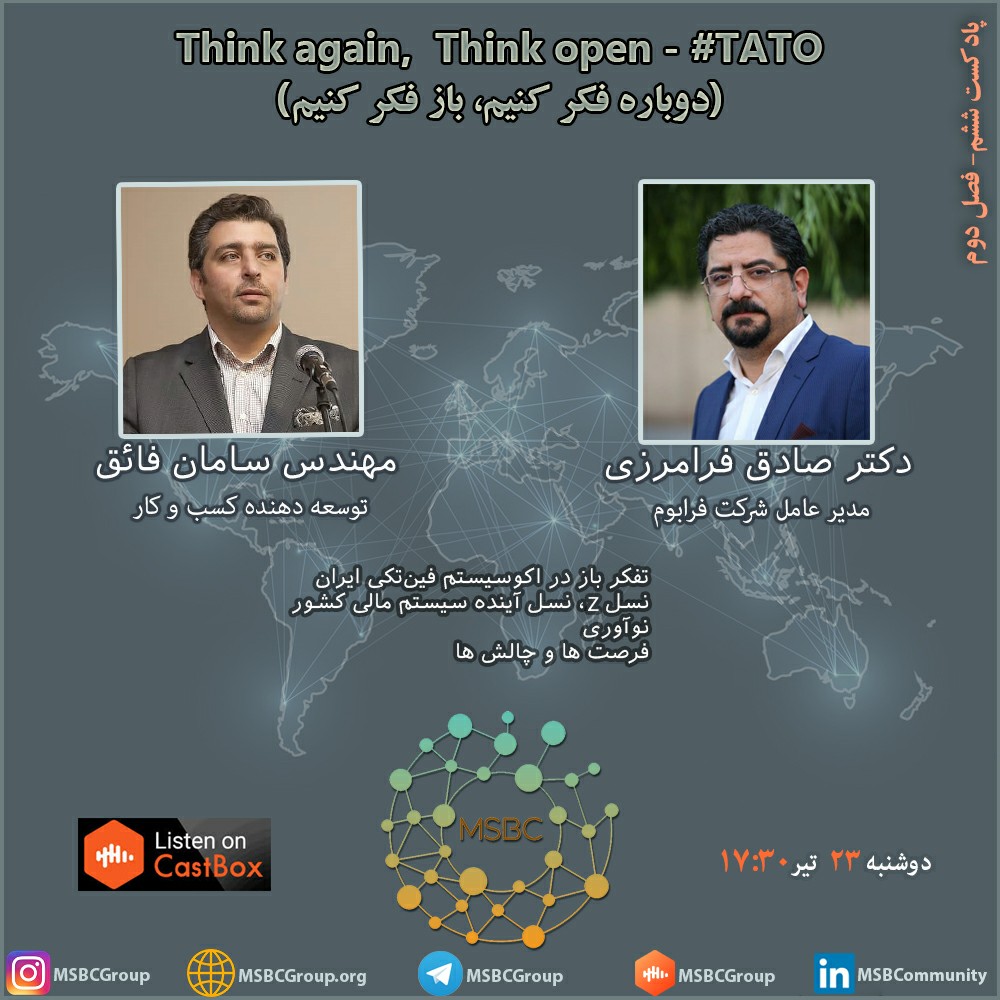
شنیدن و نگهداشتن این اپیزود
پخش را شروع کن؛ هنگام رفتن به صفحههای دیگر هم ادامه پیدا میکند.
برای خواندن و مرور دوباره
گفتوگو را به متن همراهت تبدیل کن
متن کامل و خوانای این اپیزود در Word و PDF، همراه با نقشهٔ تصویری موضوعات.
کتابخانه و بازخورد
برای شناخت بهتر پیش از شنیدن
این اپیزود هنوز بررسی عمیق نشده است
در اپیزودهای بررسیشده، پادگرد خلاصه، محورهای گفتگو، فصلهای قابل پخش و پرسشهای مهم را از متن اپیزود استخراج میکند.
تحلیل این اپیزودتکمیل این اپیزود
اگر مهمان یا اسپانسری جا افتاده، از فهرست موجود انتخاب کن یا نام تازهای پیشنهاد بده. پیشنهادها بعد از بررسی مدیر عمومی میشوند.
متن منتشرشده توسط پادکستر
توضیحات اپیزود
As Marie-Hélène was getting ready to take Tobie home, the vaccine whisperer the nurses called was a neonatologist and researcher named Arnaud Gagneur. His specialty was applying the techniques of motivational interviewing to vaccination discussions. When Arnaud sat down with Marie-Hélène, he didn’t judge her for not vaccinating her children, nor did he order her to change. He was like a scientist or “a less abrasive Socrates,” as journalist Eric Boodman described him in reporting on their meeting. Arnaud told Marie-Hélène he was afraid of what might happen if Tobie got the measles, but he accepted her decision and wanted to understand it better. For over an hour, he asked her open-ended questions about how she had reached the decision not to vaccinate. He listened carefully to her answers, acknowledging that the world is full of confusing information about vaccine safety. At the end of the discussion, Arnaud reminded Marie-Hélène that she was free to choose whether or not to immunize, and he trusted her ability and intentions. Before Marie-Hélène left the hospital, she had Tobie vaccinated. A key turning point, she recalls, was when Arnaud “told me that whether I chose to vaccinate or not, he respected my decision as someone who wanted the best for my kids. Just that sentence—to me, it was worth all the gold in the world.” Marie-Hélène didn’t just allow Tobie to be vaccinated—she had his older siblings vaccinated at home by a public health nurse. She even asked if Arnaud would speak with her sister-in-law about vaccinating her children. She said her decision was unusual enough in her antivaccination community that “it was like setting off a bomb.” Marie-Hélène Étienne-Rousseau is one of many parents who have undergone a conversion like this. Vaccine whisperers don’t just help people change their beliefs; they help them change their behaviors, too. In Arnaud’s first study, with mothers in the maternity ward after birth, 72 percent said they planned to vaccinate their children; after a motivational interviewing session with a vaccine counselor, 87 percent were onboard. In Arnaud’s next experiment, if mothers attended a motivational interviewing session, children were 9 percent more likely to be fully vaccinated two years later. If this sounds like a small effect, remember that it was the result of only a single conversation in the maternity ward—and it was sufficient to change behavior as far out as twenty-four months later. Soon the government health ministry was investing millions of dollars in Arnaud’s motivational interviewing program, with a plan to send vaccine whisperers into the maternity wards of every hospital in Quebec. Today, motivational interviewing is used around the world by tens of thousands of practitioners—there are registered trainers throughout America and in many parts of Europe, and courses to build the necessary skills are offered as widely as Argentina, Malaysia, and South Africa. Motivational interviewing has been the subject of more than a thousand controlled trials; a bibliography that simply lists them runs sixty-seven pages. It’s been used effectively by health professionals to help people stop smoking, abusing drugs and alcohol, gambling, and having unsafe sex, as well as to improve their diets and exercise habits, overcome eating disorders, and lose weight. It’s also been applied successfully by coaches to build grit in professional soccer players, teachers to nudge students to get a full night’s sleep, consultants to prepare teams for organizational change, public health workers to encourage people to disinfect water in Zambia, and environmental activists to help people do something about climate change. Similar techniques have opened the minds of prejudiced voters, and when conflict mediators help separated parents resolve disputes about their children, motivational interviewing is twice as likely to result in a full agreement as standard mediation.
نظرها
هنوز نظری نوشته نشده.