
شنیدن و نگهداشتن این اپیزود
پخش را شروع کن؛ هنگام رفتن به صفحههای دیگر هم ادامه پیدا میکند.
برای خواندن و مرور دوباره
گفتوگو را به متن همراهت تبدیل کن
متن کامل و خوانای این اپیزود در Word و PDF، همراه با نقشهٔ تصویری موضوعات.
کتابخانه و بازخورد
برای شناخت بهتر پیش از شنیدن
این اپیزود هنوز بررسی عمیق نشده است
در اپیزودهای بررسیشده، پادگرد خلاصه، محورهای گفتگو، فصلهای قابل پخش و پرسشهای مهم را از متن اپیزود استخراج میکند.
تحلیل این اپیزودتکمیل این اپیزود
اگر مهمان یا اسپانسری جا افتاده، از فهرست موجود انتخاب کن یا نام تازهای پیشنهاد بده. پیشنهادها بعد از بررسی مدیر عمومی میشوند.
متن منتشرشده توسط پادکستر
توضیحات اپیزود
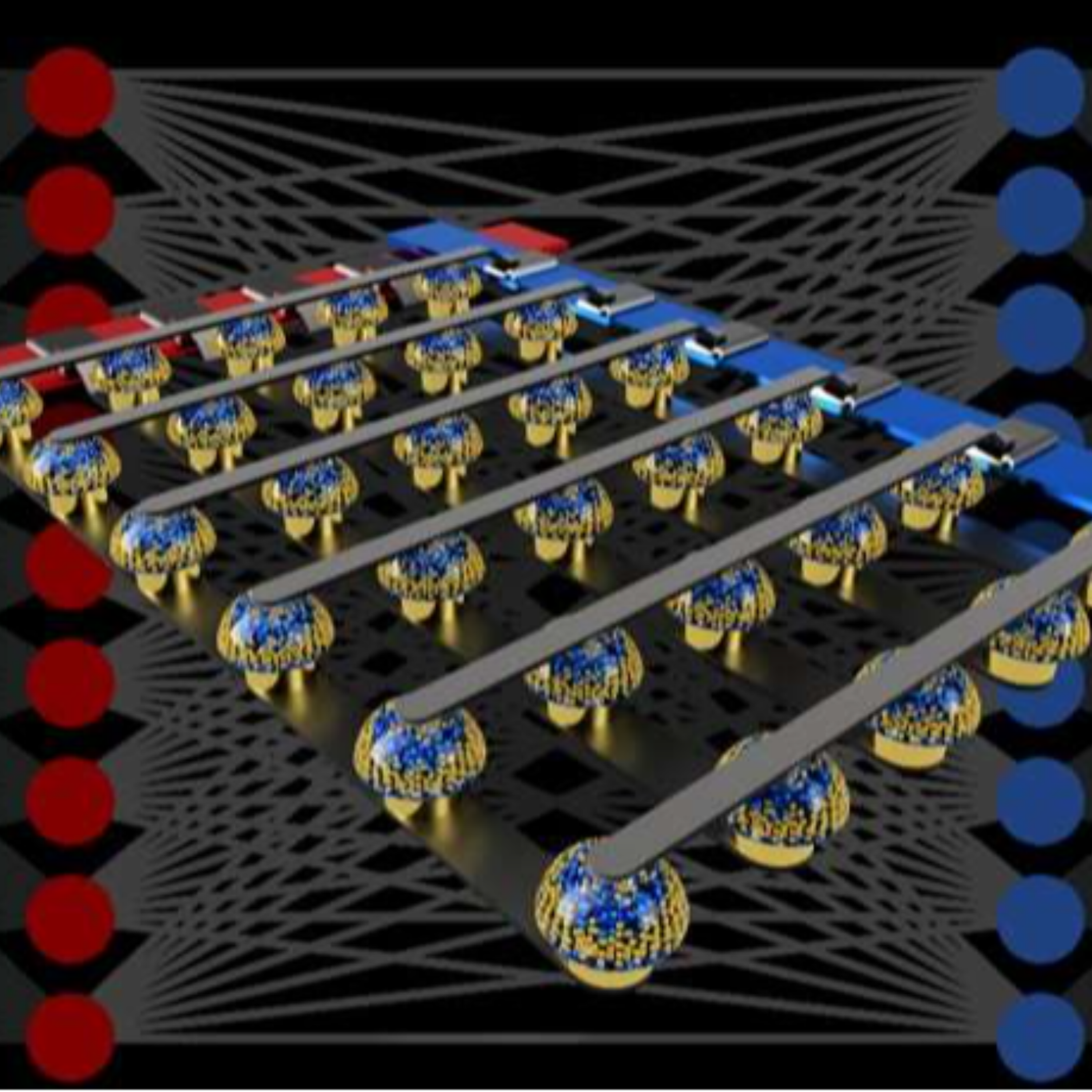
This scientific paper investigates the challenges of training analog physical systems for machine learning tasks due to inherent component imperfections and variability. Unlike precise digital networks, analog systems like the Contrastive Local Learning Network (CLLN), composed of self-adjusting resistors, exhibit limit cycles and scaling behaviors not seen in ideal models. Researchers developed an analytical model incorporating bias to explain these phenomena, finding that imperfections contribute to representational drift akin to that in biological brains. A novel, system-agnostic training method called "overclamping" is introduced and demonstrated to significantly suppress these negative effects, offering a promising path for robust analog learning by embracing, rather than eliminating, the messiness of real systems. The study highlights potential parallels between these physical learning systems and biological neural networks and suggests avenues for future research, particularly regarding the impact of noise and the potential for beneficial bias.
نظرها
هنوز نظری نوشته نشده.